Investing in quality pieces for women over 50 is not a radical concept. But it takes years of buying the wrong things to fully understand.
There is a particular kind of wisdom that does not show up until you have bought enough wrong things to know what right feels like. You know the feeling. The blouse that seemed like a good idea on a Saturday was in a donation bag by Thursday. The shoes that looked great in the store ruined two hours of your life at a wedding. The bag that fell apart at the seams before you could fall in love with it.
At some point, most women stop shopping like they are auditioning and start shopping as they mean it. That shift does not happen because you read an article about capsule wardrobes. It happens because you got tired of wasting money, time, and the particular emotional energy it takes to return things you never should have bought.
This is not an article about luxury brands. It is about the logic of quality, which is a different thing entirely. This wisdom is also a key part of Reinventing Your Life After 50, where women learn to make intentional choices that reflect who they are becoming, not who they were.
The Real Cost of Cheap: Why Investing in Quality Pieces for Women Over 50 Makes the Math Work
Here is what the math actually looks like. A $40 bag that falls apart in eight months costs you more than a $200 bag you carry for a decade, and you already know this. You have done this math. The reason it is worth saying out loud is that the culture we live in is extremely invested in making us forget it.
Fast fashion, trend cycles, seasonal launches, the constant churn of “new” as a category unto itself: all of it is designed to keep you buying at volume. Research from the University of Bath, published in Psychology and Marketing, found that when shoppers calculated cost-per-wear, they consistently chose durable, quality pieces over cheap ones, even at a higher upfront price. The math wins when you actually do it.
The antidote to the churn is not asceticism. It is discernment. Thinking about fewer but better pieces is not a lifestyle brand. It is just paying attention.
Women over 50 have a particular advantage here, even if no one is going to put it on a billboard. You have enough data on yourself to know what you actually wear, what actually fits how you live, and what you bought because someone else wanted you to want it. That is not a small thing. That is the foundation of a wardrobe that works.
What Is Worth the Investment
The categories that hold up over time share a few things in common: they are made from materials that age well, they are not trend-dependent, and they are used often enough that the cost-per-wear math eventually becomes absurd in your favor.
Jewelry is a good place to start, because fine jewelry is one of the few things that genuinely improves with age and attention. A well-made piece does not go out of style. It becomes yours in a way that costume jewelry never quite does. The caveat is that fine jewelry requires care, and most of us were never really taught how to do it without spending a fortune at the jeweler’s every time something looks dull.
A good homemade jewelry cleaner does more than you would expect. Warm water and a few drops of dish soap, a soft toothbrush, and fifteen minutes of attention can restore pieces that look like they have given up. Baking soda works on silver. White vinegar, too. The professional cleaning visit matters for prong checks and stone settings, but the day-to-day care is genuinely something you can handle at home, and it makes a real difference in how long your pieces stay beautiful.
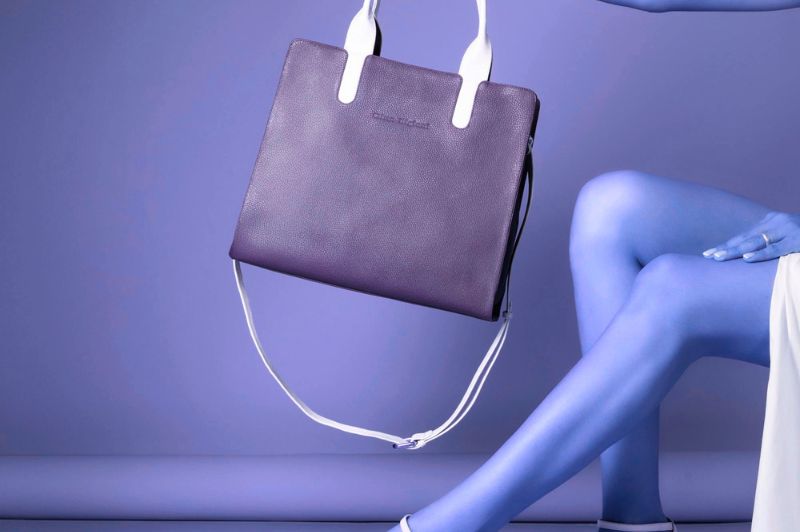
Leather goods age in a way that synthetics do not. A quality leather bag or belt develops a patina that reads as character rather than wear. It takes on the particular creases and marks of your actual life, which is either poetic or practical, depending on your frame of mind. Either way, it is a better outcome than the peeling edge of a faux leather bag two years in.
A watch is worth mentioning because the watch conversation often gets hijacked by investment talk, and that framing misses the point. Yes, certain mechanical watches hold value. But the real reason a well-made watch matters is that it is one of the few objects in daily life connected to real craft. A mechanical movement is centuries of accumulated knowledge in a case you wear on your wrist. That is worth something regardless of what it fetches on the resale market.
Sunglasses are the least complicated category. Good frames with quality lenses protect your eyes and last years longer than cheap ones. They also stop you from losing one pair after another because you bought them on a rack near the register and did not care enough to keep track of them.
The Question Worth Asking Before You Buy
The luxury industry has figured out that aspirational marketing works on every income level, which means it is worth being clear about what you are actually after. There is a difference between buying something because it will serve you well and buying something because you want to feel like the kind of person who owns it. Both are human impulses. Only one of them results in a wardrobe you actually use.
The useful questions are boring but effective. Do I have somewhere to wear this, or do I want somewhere to wear this? Does this fit how I live now? Will I reach for this in five years? Can I take care of it, or will I feel guilty every time I look at it?
If you are working through what belongs in your closet versus what you are holding onto for reasons that no longer make sense, it helps to start with a clear picture of your actual wardrobe basics before adding anything new.
Caring for What You Keep
The underrated part of investing in quality is that it obligates you to learn how to take care of things. That sounds like more work, and in the short term, it is. But it changes your relationship to what you own in a way that turns out to be satisfying in a way that buying more things never quite is.
Leather needs conditioning. Fine jewelry needs cleaning. Good shoes need occasional resoling. A silk blouse needs to be treated like you paid what it cost. None of this is complicated, but it is a different mode of engagement than buying something, using it until it falls apart, and replacing it.
That different mode is the actual investment. Not the price tag. The attention.
FAQ:
Q: Why is investing in quality pieces better for women over 50?
A: Women over 50 have enough experience to know what they actually wear and what fits their lifestyle. Quality pieces last longer, cost less per wear, and reduce the emotional and financial cost of constantly replacing cheap items.
Q: What categories are worth investing in for women over 50?
A: Jewelry, leather goods, watches, and sunglasses are the best investments. These items age well, are not trend-dependent, and provide excellent cost-per-wear value over time.
Q: How do I know if something is worth the investment price?
A: Ask yourself: Do I have somewhere to wear this? Does this fit how I live now? Will I reach for this in five years? Can I take care of it properly? If the answer is yes to all, it’s likely worth it.
Q: What’s the real cost of cheap fast fashion?
A: A $40 bag that falls apart in 8 months costs more than a $200 bag carried for a decade when you factor in replacement costs, time spent shopping, and emotional energy from returns.
Q: How can I care for quality pieces without spending a fortune?
A: Learn basic maintenance: use homemade jewelry cleaner (warm water, dish soap, soft toothbrush), condition leather regularly, resole good shoes, and treat delicate items like silk with care.
Q: Why do women over 50 have an advantage when shopping for quality?
A: You have enough data on yourself to know what you actually wear, what fits how you live, and what you bought because someone else wanted you to want it. This self-knowledge is the foundation of a wardrobe that works.
Q: Is investing in quality the same as buying luxury brands?
A: No. Quality is about the logic of materials, durability, and cost-per-wear. Luxury is about aspirational marketing. You can find quality pieces at various price points.
Q: What should I do before buying anything new for my wardrobe?
A: Start with a clear picture of your wardrobe basics. Know what you already own before adding new pieces to avoid buying duplicates or items that don’t fit your actual lifestyle.
Did you enjoy this contributed article? This post contains affiliate links. Sign-up for our Sunday newsletter and get your expert content delivered straight to your inbox.