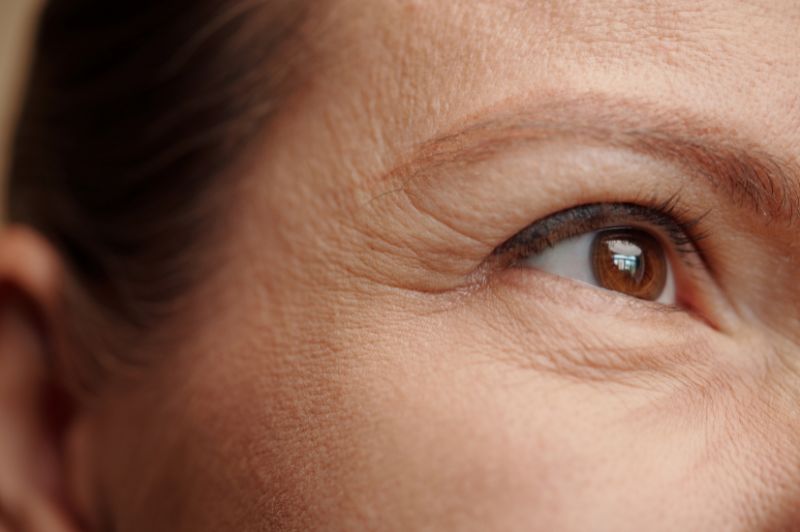
If you want a skincare routine for women over 50 that feels doable and actually improves how your skin looks and feels, start with these small, smart adjustments.
Midlife has a way of changing your face before you are emotionally prepared to negotiate with it.
One day your skin is fine. The next, it is dry in places it has never been dry, your glow looks like it moved out without leaving a forwarding address, and the products you used for years suddenly feel like they are doing absolutely nothing.
Here’s the good news: you do not need a 12-step routine, a bathroom shelf that looks like a skincare museum, or a complete identity overhaul. What you need are a few smart adjustments that work with midlife skin, not against it.
And if you want the deeper foundation first, start here: with this Kuel Life primer, Skin Care After 50: Smarter Choices, Radiant Results.
Skincare Routine for Women Over 50: 7 Simple Steps That Work
Step 1: Stop Treating Your Skin Like a Project You Need to “Fix”
Your skin is not a problem. It is a living system. It shifts with hormones, stress, sleep, weather, and time. When you respond with panic-buying and over-layering, your skin usually pushes back.
Instead, aim for one thing: a routine that supports your skin barrier and makes you feel like yourself when you look in the mirror.
If you want a quick check on what might be quietly undermining your results, this one is worth reading before you make any changes.
Step 2: Build Your “Core Four” Routine Before You Add Anything Fancy
Most midlife skin does better when the basics are solid. Think of this as your default setting.
The Core Four:
- Gentle cleanser
- Moisturizer that supports the barrier
- Daily SPF
- One targeted treatment (optional, but strategic)
If you are doing 10 things and your skin is irritated, flaky, or reactive, the routine is not “advanced.” It is overloaded.
Step 3: Cleanse Like You Respect Your Barrier
If your face feels tight after cleansing, your cleanser is not “working.” It is stripping.
Midlife skin usually prefers:
- non-foaming or low-foam cleansers
- lukewarm water (hot water is a glow thief)
- cleansing once daily if dryness is an issue
This is not about babying your skin. It is about not picking a daily fight with it.
Step 4: Moisturize Like It’s Part of Your Confidence Plan
Confidence is not just a mindset. It is also a comfort.
When skin is well-moisturized, makeup sits better, fine lines look softer, and your face looks more awake even when you did not sleep like a champion.
Look for moisturizers that feel nourishing, not greasy, and consider adding a simple hydrating serum underneath if your skin is drinking everything like it has been stranded in the desert.
Step 5: Sunscreen Is the Non-Negotiable (Yes, Even Now)
If you want one “small adjustment” that pays off long-term, this is it.
Daily sunscreen helps protect skin from UV damage that contributes to visible aging over time. You do not need to fear the sun. You just need to stop raw-dogging it.
If you want a credible, plain-English overview of how skin changes with age and why protection matters, the National Institute on Aging lays it out clearly.
Step 6: Eye Area Refresh: Go Targeted, Not Aggressive
The skin around your eyes is thinner and often the first place where fatigue, dryness, and stress show up.
Small changes that make a difference:
- switch to a richer eye product if concealer is creasing or cracking
- apply eye cream on slightly damp skin to lock in hydration
- use a light touch (rubbing the eye area is a fast track to irritation)
If you want a targeted option specifically for the eye area, you can explore Dr. Brandt Skincare products for eye and lip care.
Step 7: Add Actives Carefully (Because Midlife Skin Is Not Here for Chaos)
Retinoids, exfoliants, and vitamin C can be helpful for some people. They can also irritate the hell out of your skin if you go too hard, too fast.
If you want to add an active, use these guardrails:
- start 1 to 2 nights a week, not nightly
- introduce one new active at a time
- stop stacking exfoliation + retinoid + strong vitamin C all at once
- if you have rosacea, eczema, or persistent irritation, talk to a dermatologist before experimenting
Your skin should feel supported. Not punished.
Step 8: Let Your Routine Match Your Life, Not Your Aspirations
A routine you do consistently beats a perfect routine you quit in three weeks.
Midlife skin often responds best to:
- fewer steps
- gentler products
- more consistency
- less trend-chasing
And if you take nothing else from this: your confidence does not come from having “perfect” skin. It comes from feeling like you are taking care of yourself in a way that is sustainable, intentional, and aligned with who you are now.
Start with the basics. Adjust slowly. Keep what works. Drop what does not.
That is not just skincare. That is self-respect.
FAQs
What is the best skincare routine for women over 50?
A simple routine usually works best: a gentle cleanser, a barrier-supporting moisturizer, daily sunscreen, and one targeted treatment if needed. Consistency matters more than a long product list.
What is the correct order for applying skincare products?
A common order is cleanser, treatment or serum, moisturizer, then sunscreen in the morning. At night, use cleanser, treatment if you use one, then moisturizer.
Why does skin feel drier after 50?
Skin often becomes drier with age as moisture retention and barrier function change. A gentler cleanser, richer moisturizer, and fewer harsh actives can help improve comfort and reduce tightness.
Do women over 50 need retinol?
Not everyone needs retinol, but some women find it helpful for texture and tone. Start low and slow, use it only a few nights per week at first, and stop if irritation persists.
What ingredients should women over 50 avoid in skincare?
Avoid routines that stack too many strong actives at once. Over-exfoliating or combining multiple irritating products can damage the skin barrier and increase dryness and sensitivity.
Disclaimer: This article is for informational purposes only and is not medical advice. Skincare reactions and needs vary. Patch test new products, introduce changes slowly, and consult a qualified medical professional or dermatologist if you have persistent irritation or a skin condition.
Did you enjoy this contributed article? This post contains affiliate links. Sign-up for our Sunday newsletter and get your expert content delivered straight to your inbox.