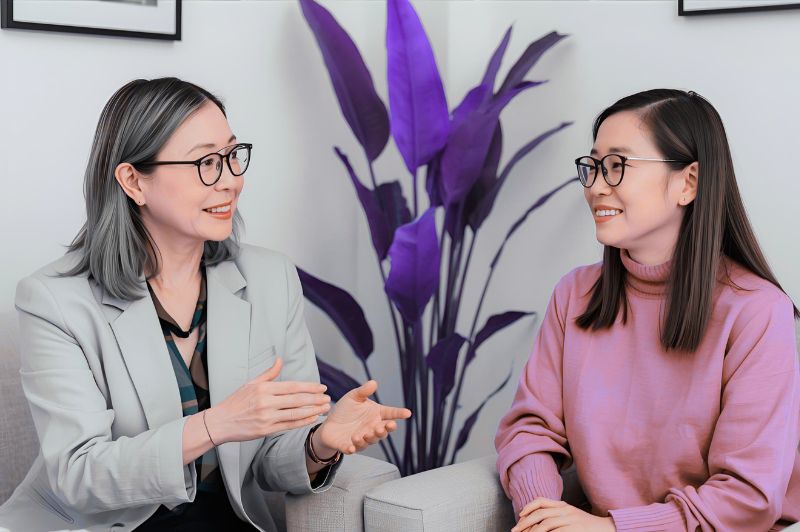
Making the shift from caregiver to mental health professional is one of the most meaningful reinventions a woman in midlife can make.
If you have spent years caring for others, you already know something most people never learn. Caregiving trains your intuition, sharpens your emotional intelligence, and gives you the kind of courage that only comes from walking with someone through their hardest moments. Over time, many women feel a deeper pull. They want to understand not just how to support a person’s physical needs, but how to help them heal emotionally and mentally too.
For women in midlife, this desire often appears during a natural season of reevaluation. Kids leave home. Careers shift. Identities evolve. And suddenly the question becomes, what if everything I have been doing to care for others is pointing me toward a new professional path?
The good news is that stepping into the mental health field is more accessible than ever. Flexible online programs allow you to grow your skills without stepping away from your life. With the right education, your lived experience can become your greatest professional asset.
Education That Becomes a Bridge
The first step toward a mental health career is building a foundation in psychology. Understanding how thoughts, emotions, and behavior interact gives you the tools to help others make meaningful change. The challenge for many midlife women is finding a program that respects the realities of work, caregiving, and everything else happening in a full life.
That is where an online masters in psychology no GRE becomes useful. These programs eliminate unnecessary barriers and offer the flexibility to study while maintaining your responsibilities. Coursework can be done from home, often at your own pace, and many programs guide you toward licensure or advanced roles once your degree is complete.
Caregiving has already been your classroom. Education becomes the bridge that helps you turn that experience into a new chapter of purpose and impact.
Seeing Your Caregiving Experience as a Professional Strength
Caregivers underestimate themselves all the time, but industry experts do not. Research shows that caregiving teaches five core professional skills that employers actively seek. Forbes highlights how these include communication, problem-solving, empathy, adaptability, and resilience. You have been practicing these for years, often in high-stakes moments. That does not put you behind. It puts you ahead.
Caregivers Already Have What This Field Needs
One of the advantages midlife women bring to mental health work is emotional depth. You know how to listen without rushing. You can sit with discomfort. You can read the room before anyone has said a word. These are not soft skills. These are clinical essentials.
Caregivers also know what a crisis feels like. You have stayed steady during medical emergencies, family breakdowns, and moments when someone’s survival depends on you being calm. That experience is pure gold in therapeutic settings.
If you want to explore the emotional load caregivers carry and how to protect your own well-being during this transition, Kuel Life’s resource on navigating caregiver stress is a powerful place to begin. Understanding your own patterns is one of the best ways to support others.
Exploring the Many Paths in Mental Health
Once your foundation is in place, you can choose a direction that fits your personality and your life. Many women become Licensed Professional Counselors who support individuals dealing with anxiety, trauma, or life transitions. Others gravitate toward family dynamics and pursue Marriage and Family Therapy, helping couples and households rebuild communication and trust.
Behavioral health roles are expanding rapidly. Specialists are needed in trauma recovery, addiction support, crisis intervention, and community mental health. Schools, hospitals, nonprofit organizations, and private practices all rely on professionals who bring both education and lived experience.
Some women find their place in industrial and organizational psychology, supporting workplace wellbeing and leadership development.
Almost every path will require supervised hours and licensure, but reputable programs walk you through the entire process so you never feel lost.
Overcoming the Challenges of Returning to School
Shifting careers in midlife is brave, and it comes with predictable challenges. Time feels scarce. Online learning may feel unfamiliar. You might wonder whether you still remember how to study or whether you belong in an academic space after years away.
You do.
Start with one class. Build confidence as you go. Lean on the tutoring, discussion boards, and faculty support that good programs provide. Create a consistent weekly study rhythm, even if it is only a few hours at a time. Financial concerns can often be eased through scholarships, tuition assistance, or employer reimbursement programs.
This is not about starting over. It is about expanding who you already are.
From Caregiver To Mental Health Professional: Stepping Into Work That Changes Lives
Mental health professionals are needed everywhere. And midlife women bring something the field urgently needs: grounded wisdom, emotional steadiness, and compassion that has been earned, not imagined.
If you feel yourself drawn toward deeper work, this might be your invitation. Caregiving has already trained you to support people through the moments they feel most vulnerable. With the right education and guidance, you can turn that experience into a career that creates lasting change.
There is room for you in this field. And people are waiting for the kind of understanding only you can offer.
Did you enjoy this contributed article? This post contains affiliate links. Sign-up for our Sunday newsletter and get your expert content delivered straight to your inbox.