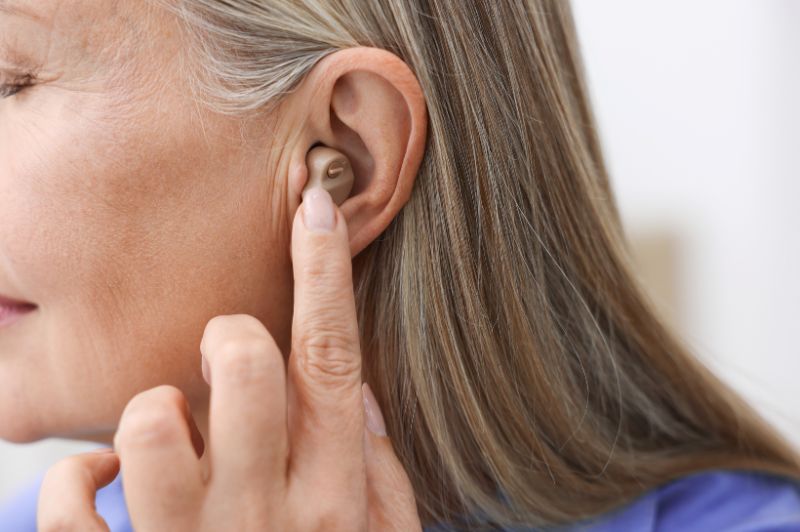
Hearing aid myths can keep you stuck in strain and second-guessing, even when support could make daily life feel easier.
If you’ve been turning the TV up, asking people to repeat themselves, or leaving dinners feeling weirdly exhausted, you’re not alone. Hearing changes can creep in so gradually that you adapt without realizing how much extra effort you’re spending just to keep up.
And that effort matters. Untreated hearing loss is associated with real downstream impacts, including social withdrawal and broader health risks, which is why it’s worth taking seriously rather than brushing off.
There’s also a stubborn pattern: many people who would benefit from hearing aids do not wear them consistently, or never follow through after getting fitted.
A big reason is myth, stigma, and outdated assumptions. Let’s kill the most common ones.
4 Hearing Aid Myths That Keep Women From Getting Help
Myth 1: Hearing Aids Are Only for Severe Hearing Loss
This is one of the biggest reasons people delay getting help. They tell themselves, “It’s not that bad.” Meanwhile, they’re working twice as hard to follow conversations and pretending it’s fine.
The truth: Hearing aids can help people with mild to moderate hearing loss, too. The earlier you address it, the less time you spend compensating, straining, and missing pieces of your life.
5 Signs it’s Time to Get Tested:
- You frequently ask, “What?” or “Can you repeat that?”
- You hear voices but miss words, especially in restaurants.
- You feel tired after social situations.
- Friends and family comment on the volume of the TV.
- You avoid group conversations because they feel frustrating.
Myth 2: Hearing Aids Do Not work Well
This belief is often based on old tech or secondhand stories from years ago. Modern hearing aids are not one-size-fits-all megaphones. They’re adjustable, customizable, and designed for real-world environments.
The truth: hearing aids can work very well, especially when they’re properly fitted and fine-tuned over time. Today’s models can include app-based personalization, remote adjustments, and features that support clarity in noisy spaces.
If you want a quick overview of what’s changing in the market, here’s a useful read on smart hearing aid trends.
What Makes Hearing Aids Work Better
- A professional hearing evaluation and fitting.
- A few follow-up adjustments after you start wearing them.
- Consistent wear so your brain can adapt.
- Realistic expectations for noisy settings.
Myth 3: They are Big, Clunky, and Uncomfortable
A lot of people still picture bulky devices from decades ago. That image is outdated.
The truth: many modern hearing aids are small and discreet, and there are multiple styles to fit different needs and comfort levels. Comfort has also improved significantly with better designs and better-fitting approaches.
The Real Comfort Issue Most People Do Not Expect
The biggest “adjustment” is often not physical comfort. It’s mental comfort. Getting used to hearing more detail again can feel strange at first. That does not mean the device is wrong. It usually means your brain is recalibrating.
Myth 4: Hearing Aids Are Not Worth The Investment
This one is often code for “I don’t want to spend the money unless I’m absolutely sure.” Fair. Hearing aids can be expensive, and the pricing can feel confusing.
The truth: Hearing aids can be worth it because they improve day-to-day quality of life. They can reduce the strain of listening, support connection, and help you stay engaged at work and in relationships.
A Better Way to Think About the Cost
Ask yourself:
- What is it costing me to keep missing conversations?
- What is it costing me to avoid social situations?
- What is it costing me to feel exhausted after a dinner out?
That is the real math.
The Kuel Life Angle: This is About Staying in Your Life
Midlife is not when you get quieter or smaller. It’s when you stop tolerating friction that makes everything harder than it needs to be.
If hearing loss is pulling you out of conversations, out of dinners, out of laughter, out of the small moments that make life feel like yours, it deserves attention.
And yes, hearing affects the simple pleasures too, like being outside and actually noticing the world. If you’re building small rituals that help you feel grounded, this pairs beautifully with the idea of reclaiming your senses and your presence.
Disclaimer: This article is for general informational purposes only and is not medical advice. Hearing concerns should be evaluated by a qualified healthcare professional, such as an audiologist. If you notice sudden hearing loss, ear pain, dizziness, ringing that worsens, or any new or concerning symptoms, seek medical care promptly.
Did you enjoy this contributed article? This post contains affiliate links. Sign-up for our Sunday newsletter and get your expert content delivered straight to your inbox.