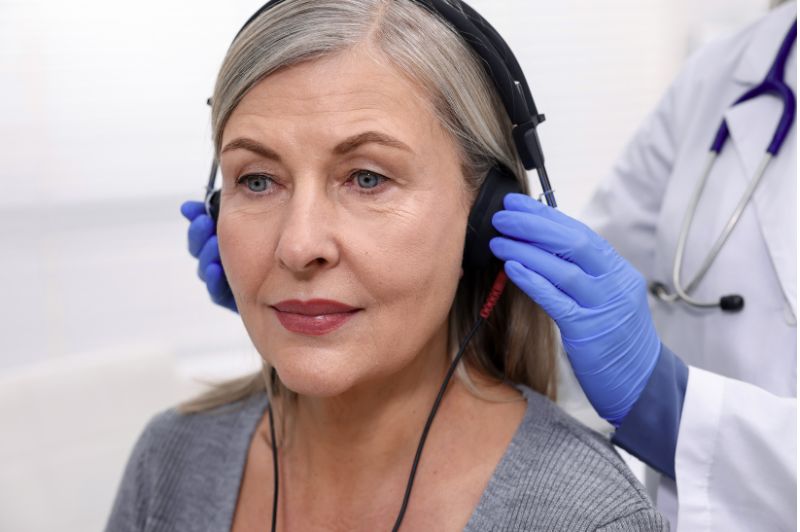
Hearing health for women over 50 becomes increasingly important as hormonal shifts and cumulative noise exposure begin to affect long-term auditory function.
Hearing changes slowly. So slowly, in fact, that many women don’t notice it until they’re asking people to repeat themselves more often or turning the television up louder than they used to.
Healthy ear care for women over 50 isn’t about fear. It’s about awareness, prevention, and protecting one of the senses that keeps you connected to the world.
At Kuel Life, we talk often about proactive wellness. Your ears belong in that conversation.
Hearing Changes in Midlife Are Common, and Manageable
As we age, tiny sensory cells in the inner ear naturally decline. This process, called presbycusis, is common and gradual. It may start with difficulty hearing higher-pitched voices or following conversations in noisy environments.
The key is early attention, not avoidance.
Routine hearing screenings should be part of your broader health strategy, just like eye exams or bone density scans. If you’re unsure where to begin, resources like this guide to choosing hearing care can help you understand what to look for in a provider and how to advocate for yourself.
Healthy ears aren’t about reacting to a crisis. They’re about staying ahead of one.
Noise Exposure Adds Up Over Time
One of the most overlooked contributors to hearing loss is cumulative noise exposure. It’s not just concerts or construction sites. It’s years of earbuds, fitness classes, travel noise, and daily environmental sound.
If you swim regularly or spend time in the water, proper ear protection matters. High-quality options like swimming ear plugs can reduce water-related ear infections and protect sensitive ear canals without sacrificing comfort.
Protection isn’t dramatic. It’s deliberate.
Small choices now can prevent long-term complications later.
Don’t Ignore Recurring Discomfort
Frequent ear infections, persistent fullness, ringing (tinnitus), or dizziness are not things to simply “live with.”
These symptoms can indicate inflammation, wax buildup, fluid imbalance, or more complex inner ear conditions. Addressing them early improves outcomes and reduces frustration.
Women often delay seeking care because symptoms feel minor or intermittent. But consistency matters. Your ears are part of your neurological system. Treat them with the same seriousness you give to heart or brain health.
Hearing Health for Women Over 50 Starts With Prevention
Hearing doesn’t usually decline overnight. It changes gradually, which is why so many women normalize the early signs. Turning up the television. Asking people to repeat themselves. Avoiding restaurants because the background noise feels overwhelming. These aren’t just inconveniences. They’re signals.
The good news is that hearing health for women over 50 is largely protectable. The ear, like the rest of the body, responds to consistent care. That means limiting prolonged exposure to loud environments, using quality ear protection when needed, and seeking evaluation at the first signs of change rather than waiting until communication becomes difficult.
Prevention also means understanding cumulative exposure. Decades of concerts, gyms, airports, traffic, hair dryers, lawn equipment, and headphones all add up. You don’t need to panic. You need to adjust. Lower the volume. Take listening breaks. Choose quieter environments when possible. Small shifts compound over time.
It also means advocating for yourself medically. If you notice persistent ringing, pressure, muffled hearing, or difficulty distinguishing voices in crowded settings, don’t brush it off. Early screening can identify patterns before they significantly impact daily life. Many women are surprised to learn that mild hearing loss can affect energy levels, cognitive focus, and even social confidence. Hearing well is not cosmetic; it’s functional.
Hearing health for women over 50 is about staying engaged. It’s about continuing to participate fully in conversations, relationships, travel, work, and community life. When hearing declines, many women withdraw subtly. They speak less. They avoid noisy gatherings. They conserve energy. Protecting your ears protects your connection to the world.
Midlife health isn’t just about bone density, hormones, or heart health. It’s about sensory health too. Your ability to hear clearly shapes how you experience music, laughter, nature, and conversation. Those things matter.
The goal isn’t perfection. It’s awareness.
Protect what supports your independence. Protect what keeps you socially connected. Protect what helps you stay present.
Because hearing health for women over 50 isn’t optional maintenance. It’s long-term quality of life.
Disclaimer: This article is for educational purposes only and is not medical advice. If you have ear pain, dizziness, persistent ringing, hearing loss, or ongoing symptoms, consult a qualified healthcare professional for diagnosis and treatment.
Did you enjoy this contributed article? This post contains affiliate links. Sign-up for our Sunday newsletter and get your expert content delivered straight to your inbox.