If you are trying to figure out how to stay healthy after 50, there is a version of this conversation that starts with a list.
Eat your leafy greens. Walk 30 minutes a day. Get to bed at a reasonable hour. And sure, all of that is true. But most women over 50 have already heard it, and most of them are already trying. What they are less likely to hear is the honest version: that your body’s rules genuinely change after 50, that the habits that worked in your 40s may need a real overhaul, and that figuring out what actually works for you takes more than a wellness checklist.
The women doing this well tend to share one thing in common. They stopped waiting for permission to take their health seriously and started building actual systems around it. That might mean working with a functional medicine doctor, joining a community of women in the same season of life, or finding wellness resources like Melaleuca: The Wellness Company that can help fill nutritional gaps when food alone isn’t getting the job done. It means treating your health as infrastructure, not a project you get back to when things slow down.
What Actually Changes After 50
The hormonal shifts that come with perimenopause and menopause are not just about hot flashes. Estrogen plays a significant role in bone density, cardiovascular health, cognitive function, and sleep quality. When it drops, those systems feel it. That is not a reason to panic. It is a reason to pay attention in ways you may not have needed to before.
Bone density loss accelerates in the years around menopause, which makes calcium, vitamin D, and weight-bearing exercise genuinely non-negotiable rather than nice-to-have. Muscle mass also declines with age, a process called sarcopenia, and it starts earlier than most women realize. Maintaining muscle protects your bones, your metabolism, and your ability to move through the world on your own terms well into later life. If you want to understand what that actually looks like in practice, why getting fit after 50 feels hard, and what no one tells you is worth a read.
None of this is doom. It is just physiology. And knowing it means you can work with it instead of being blindsided by it.
Food as Functional, Not Performative
The conversation around food and midlife is often hijacked by weight. That is the wrong frame. The more useful question is what your body needs to function well at this stage, and the answer looks different than it did at 35.
Protein becomes a higher priority because muscle maintenance depends on it. Most women over 50 are under-eating protein relative to what their bodies actually need. Aim to build meals around a real protein source, whether that is eggs, fish, legumes, or lean meat, rather than treating it as an afterthought.
Fiber matters more than most people realize. It supports digestion, blood sugar stability, and cardiovascular health, all of which become more pressing after menopause. Whole grains, beans, lentils, and vegetables do the heavy lifting here.
And water. Dehydration is quietly responsible for more fatigue, brain fog, and kidney stress than most women connect to their fluid intake. It is not glamorous advice, but it is real.
Movement That You Will Actually Keep Doing
The research on exercise and longevity is not subtle. Regular movement is one of the most powerful things you can do for your health, full stop. But intensity is not the point. Consistency is.
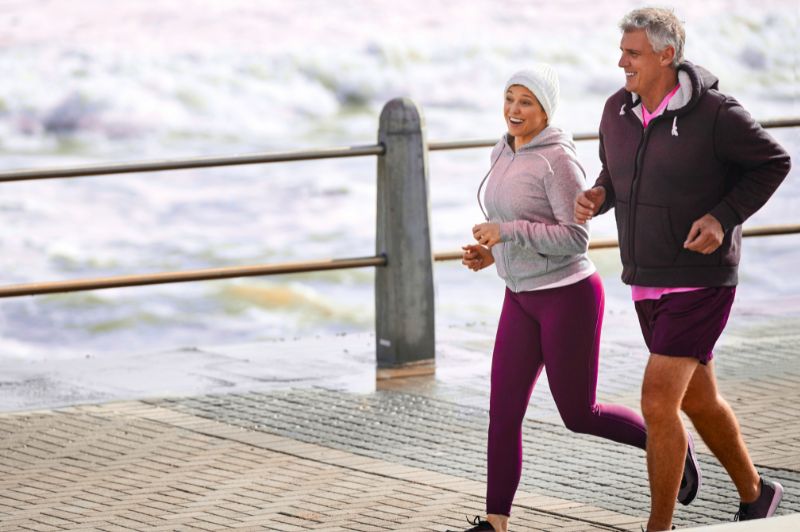
Walking is genuinely underrated. Thirty minutes at a brisk pace does measurable things for cardiovascular health, mood, blood pressure, and blood sugar. Strength training two or three times a week protects your bones and muscles in ways that no amount of cardio replicates. Yoga, swimming, and low-impact movement fill in the flexibility and joint health gaps.
The question worth asking is not what the most effective workout is in theory. It is what you will still be doing in three years. Find that thing. Do it regularly. The returns compound over time.
Sleep Is Not Optional Infrastructure
Poor sleep is directly linked to elevated cortisol, impaired immune function, increased cardiovascular risk, and worse metabolic health. Women in midlife often experience more disrupted sleep due to hormonal shifts, and the downstream effects are real. If you want to dig into what is actually happening and what helps, sleep after 50 for women: what’s really changing and what actually helps breaks it down without the usual hand-waving.
The basics matter more than most people give them credit for: consistent bedtime, a cool and dark room, no screens in the hour before bed, no caffeine after early afternoon. A wind-down routine that signals to your nervous system that the day is done. These are not complicated interventions. They are just rarely prioritized.
Stress Is a Health Issue, Not a Personality Flaw
Chronic stress raises cortisol, disrupts sleep, weakens immune response, and raises cardiovascular risk. Women in their 50s and 60s often carry peak caregiving responsibilities alongside career demands, aging parents, and the emotional labor of everything in between. The stress is real.
What also tends to be real is the belief that managing it is indulgent. Ten minutes of meditation feels frivolous when there is a to-do list that never gets shorter. But the physiology does not care about the to-do list. Mindfulness practices, journaling, time outdoors, regular movement, and genuine social connection all have measurable effects on the nervous system. They are not luxuries. They are maintenance.
The Social Connection Nobody Budgets For
This one gets underestimated. According to the CDC, social isolation and loneliness are associated with significantly higher risk of heart disease, stroke, type 2 diabetes, depression, and earlier death. And after 50, social circles often contract naturally due to career transitions, children leaving home, relocations, and loss. Being intentional about social connection matters more than most health conversations acknowledge.
That might mean joining a community group, taking a class in something you have always been curious about, volunteering, or simply making the phone calls you keep putting off. Regular time with people who know you and whose company you genuinely enjoy is not a nice-to-have. It is part of the health equation.
Preventive Care Is Not a Personality Type
Routine screenings are not for anxious people or people who have already had a scare. They are for people who understand that many of the conditions that become more common after 50, including certain cancers, heart disease, and osteoporosis, are significantly more manageable when caught before symptoms show up.
Stay current with your recommended screenings. Find a provider who listens. Push back when you are not being heard. You know your body. The relationship with your healthcare team should reflect that.
The Real Framework for How to Stay Healthy After 50
Nothing in here is revolutionary. What it is, is specific to where you are in your life right now, and that specificity matters. The habits that protect your health after 50 are not punishing. They do not require a complete overhaul of your life. They require showing up consistently for a body that is asking for different things than it used to. That is not a crisis. It is just the next chapter, and you have more agency in it than the wellness industry generally gives you credit for.
Your Questions About Staying Healthy After 50, Answered
What are the most important things women can do to stay healthy after 50?
The habits that make the biggest difference after 50 are strength training to protect muscle and bone, consistent sleep, a protein-forward diet, stress management, and staying socially connected. Preventive screenings also matter more at this stage because many conditions are far more manageable when caught early.
Why does staying healthy feel harder after 50?
Because the body’s rules genuinely change. Estrogen decline after menopause affects bone density, cardiovascular health, sleep quality, and metabolism. Muscle mass starts declining earlier than most women realize. What worked in your 30s and 40s often needs to be adjusted, not abandoned, to keep working.
How does social connection affect physical health after 50?
Significantly. The CDC links social isolation and loneliness to a higher risk of heart disease, stroke, type 2 diabetes, depression, and earlier death. After 50, social circles often shrink due to life transitions, which makes intentional connection a genuine health priority, not just a quality-of-life one.
Do supplements help women stay healthy after 50?
They can fill genuine gaps, particularly for calcium, vitamin D, and protein when dietary intake falls short. The right approach depends on individual health history and lab work. Supplements work best as a complement to whole food nutrition, not a replacement for it.
Disclaimer: This article is for informational purposes only and does not constitute medical advice. The content is not intended to be a substitute for professional medical advice, diagnosis, or treatment. Always seek the guidance of your physician or other qualified health provider with any questions you may have regarding a medical condition or changes to your health routine.
Did you enjoy this contributed article? This post contains affiliate links. Sign-up for our Sunday newsletter and get your expert content delivered straight to your inbox.