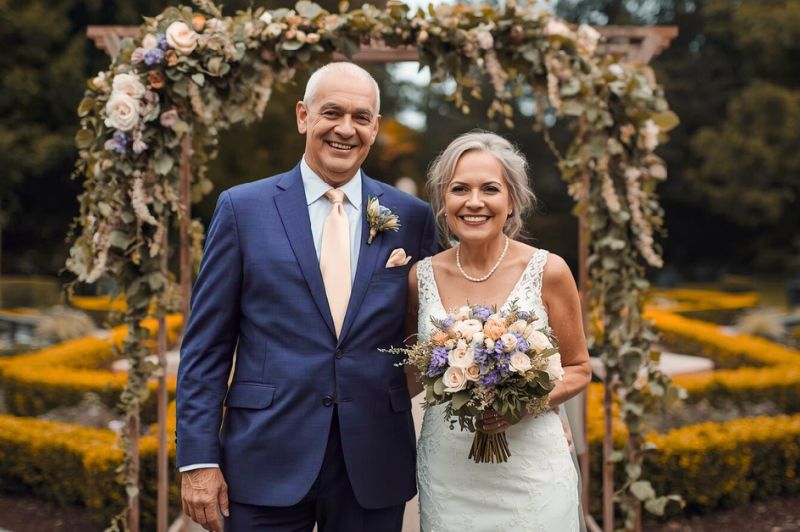
Midlife wedding planning looks different when two people come together with full lives, hard-earned clarity, and a shared desire to build something intentional without losing themselves in the process.
A midlife wedding is not about starting from scratch. It is about choosing forward—with clarity, history, and a strong sense of self already intact.
By the time women reach this stage of life, most are done performing roles that don’t fit. They know what compromise costs. They know what independence took to earn. And they know that partnership should add to a life, not overwrite it. That reality changes everything about how a wedding and a marriage are imagined.
This is not a fairy tale reboot.
It’s a conscious decision between two fully formed adults.
At this stage of life, marriage reflects a deeper understanding of midlife relationships, where emotional maturity, mutual respect, and autonomy matter more than symbolism or spectacle.
When the Wedding Becomes a Statement, Not a Spectacle
Midlife couples rarely plan weddings to impress. They plan them to reflect who they are now.
The setting matters, but not because it looks good in photos. A private garden, a historic estate, a coastal view—these choices are about energy, intimacy, and meaning. The venue becomes part of the story, not the stage for it. What matters most is that the space supports honesty, comfort, and presence.
For couples building lives across borders, the decision to marry may also include practical considerations. In those cases, understanding the fiancé visa UK process can be part of the journey, not as the focus, but as one of the many real-world steps required to build a shared future. When logistics are handled with intention, they become supporting details rather than defining features.
Independence Doesn’t Disappear Just Because You’re in Love
This is where midlife weddings diverge sharply from earlier chapters.
At this stage, women are not looking to merge identities. They are looking to stand beside someone without shrinking. Careers, routines, friendships, finances, and personal rhythms already exist. A healthy partnership respects that foundation instead of asking either person to dismantle it.
This is why conversations about boundaries, money, daily habits, and expectations feel less romantic—but far more intimate. A midlife wedding often reflects this truth: love works best when both people are allowed to remain whole.
Research and real-life experience agree. A satisfying partnership in midlife tends to be grounded in emotional maturity, communication, and mutual respect rather than idealized roles. As explored in Dr. Psych Mom’s breakdown of what a happy marriage looks like in midlife, contentment at this stage often comes from knowing yourself first—and choosing a partner who honors that.
Budgeting During Midlife Wedding Planning
Money conversations in midlife are different. They are shaped by lived experience, financial history, and hard-earned perspective.
Rather than chasing trends, midlife couples tend to design celebrations that align with their values. Some choose intimate gatherings. Others bring together blended families and longtime friends. The common thread is intention. The budget becomes a reflection of priorities—not an attempt to prove anything.
This mindset mirrors a larger truth about midlife relationships: partnership works best when decisions are collaborative, transparent, and grounded in reality. The wedding is simply the first visible expression of that dynamic.
Ceremony as Storytelling, Not Performance
Midlife ceremonies rarely follow scripts written decades earlier. They are layered with history, humor, loss, resilience, and choice.
Music carries memory. Readings reflect lived truth. Vows are not aspirational—they are informed. Many couples speak honestly about where they’ve been, what they’ve learned, and how they intend to move forward together. The result feels less like theater and more like a witnessed commitment.
This approach aligns with how many women in midlife redefine relationships more broadly—moving away from roles and toward reciprocity. It’s a theme we explore often at Kuel Life, especially in conversations about relationships and reinvention in the second half of life.
Blending Two Full Lives—On Purpose
By midlife, habits are not negotiable details. Morning routines, travel preferences, work rhythms, and personal space all matter. Successful partnerships at this stage don’t gloss over these realities; they plan around them.
Dividing wedding tasks tends to follow the same logic. Each person leans into their strengths. Control is replaced with collaboration. The process becomes a preview of how decisions will be handled going forward, thoughtfully, respectfully, and without unnecessary power struggles.
Writing Vows from a Life Already Lived
Vows written in midlife often land differently. They are less about promises made in hope and more about commitments made with awareness.
These vows may include gratitude for past chapters, acknowledgment of growth, and a grounded vision for the future. They don’t pretend life will be easy. They affirm that it will be intentional.
A Midlife Wedding Is Not a Beginning—It’s a Choice
A midlife wedding doesn’t mark the start of identity. It marks alignment.
Two people arrive with history, clarity, and self-respect, and decide to walk forward together without erasing what came before. Independence and togetherness are not opposites here. They are the balance.
That balance is what makes midlife partnerships powerful, and what makes these weddings feel less like a performance and more like the truth.
Did you enjoy this contributed article? This post contains affiliate links. Sign-up for our Sunday newsletter and get your expert content delivered straight to your inbox.