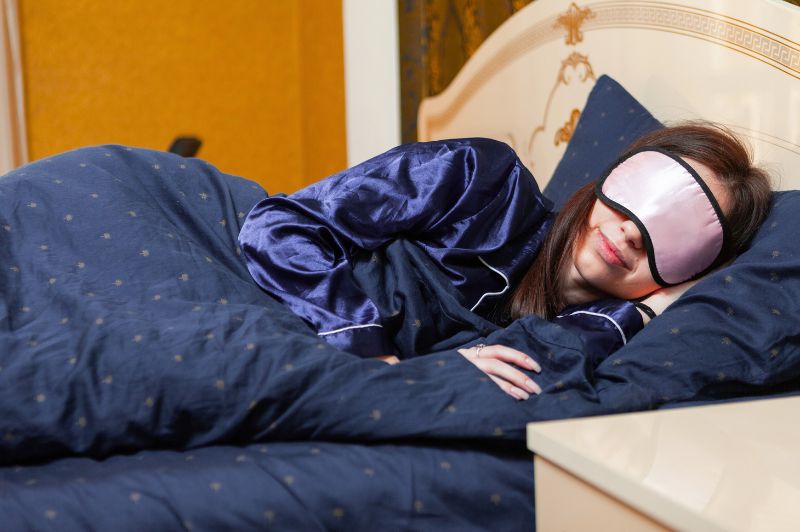
Sleep after 50 for women often changes in ways that feel sudden and frustrating, shaped by hormonal shifts, menopause, stress, and evolving brain rhythms.
If your sleep has changed in your 50s and beyond, you’re not imagining it, and you’re certainly not alone. Many women notice they wake more often, sleep more lightly, or feel tired despite spending enough hours in bed. Hormonal shifts, menopause, stress, and changes in the brain’s sleep architecture all play a role. Understanding why sleep changes at this stage of life is the first step toward improving it, without blaming yourself or chasing quick fixes.
Midlife is not the beginning of decline; it’s the beginning of a different rhythm. And sleep is often where that shift shows up first — a reminder that, as we often say at Kuel Life, your next 30 years start now.
Menopause, Hormones, and the Middle-of-the-Night Wake-Ups
One of the most common sleep disruptors after 50 is menopause. As estrogen and progesterone levels fluctuate and decline, many women experience hot flashes, night sweats, a racing heart, or sudden awakenings from deep sleep. These aren’t signs that something is “wrong” with you; they’re physiological responses to hormonal change, well documented in clinical research on menopause-related sleep disruption, including hormonal effects on thermoregulation and sleep cycles described in the medical literature.
Simple environmental adjustments can make a real difference. Keeping the bedroom cool, improving airflow, and avoiding alcohol or caffeine in the evening can reduce temperature spikes and nervous system stimulation that interrupt sleep. When symptoms are persistent,such as ongoing insomnia, frequent night sweats, or heart-pounding awakenings, it’s important to talk with a clinician who understands menopause. Hormone therapy or non-hormonal options may be appropriate, depending on your health history and symptoms.
What matters most is this: your experience deserves to be taken seriously.
Sleep After 50 for Women: Your Inner Clock Is Shifting — and That’s Normal
After 50, many women notice they feel sleepy earlier in the evening and wake earlier in the morning. This change is linked to shifts in the circadian rhythm as estrogen, progesterone, and melatonin production decline. In practical terms, your brain may be signaling “morning” before you’re ready for it.
This doesn’t mean you’re broken. It means your sleep-wake timing is evolving.
What helps here is consistency and calm. A steady bedtime and wake time support healthier melatonin release and cortisol timing. Evening routines that lower stimulation, rather than raise it, can also help. Swapping late-night news or emotionally charged conversations for quieter rituals gives your nervous system a better chance to settle.
Some women explore additional supports to calm an overactive mind at night. For example, cbdMD CBD gummies are used by some as part of a broader wind-down routine to reduce nighttime mental chatter. As with any supplement, responses vary, and it’s wise to discuss options with a healthcare professional, especially if you’re managing other conditions or medications.
Sleep, Brain Health, and the Long View
Sleep after 50 isn’t just about feeling rested tomorrow; it’s about protecting your brain for the decades ahead. Research increasingly connects chronic sleep disruption with changes in cognition and long-term brain health, including memory and concentration. Organizations focused on brain health and insomnia continue to highlight how disrupted sleep affects cognitive resilience over time.
This is why improving sleep isn’t indulgent; it’s foundational. When you think about the life you want to live over the next several decades, sleep becomes a form of self-leadership. Caring for your rest now is part of caring for the future you’re building.
What to Do When Good Habits Aren’t Enough
Healthy sleep habits, consistent schedules, calming routines, and a supportive sleep environment are powerful. But if you’re doing “all the right things” and still struggling, that’s a signal to go deeper, not to try harder.
Persistent sleep issues warrant a conversation with a provider who understands midlife women’s health. Ask questions. Advocate for yourself. If you feel dismissed, seek a second opinion. You are not asking for too much; you are asking for appropriate care.
Sleep challenges after 50 are common, but suffering in silence shouldn’t be.
Disclaimer: This article is for educational purposes only and is not intended as medical advice. Always consult a qualified healthcare professional regarding symptoms, treatments, supplements, or changes to your health routine, especially during menopause and midlife transitions.
Did you enjoy this contributed article? This post contains affiliate links. Sign-up for our Sunday newsletter and get your expert content delivered straight to your inbox.