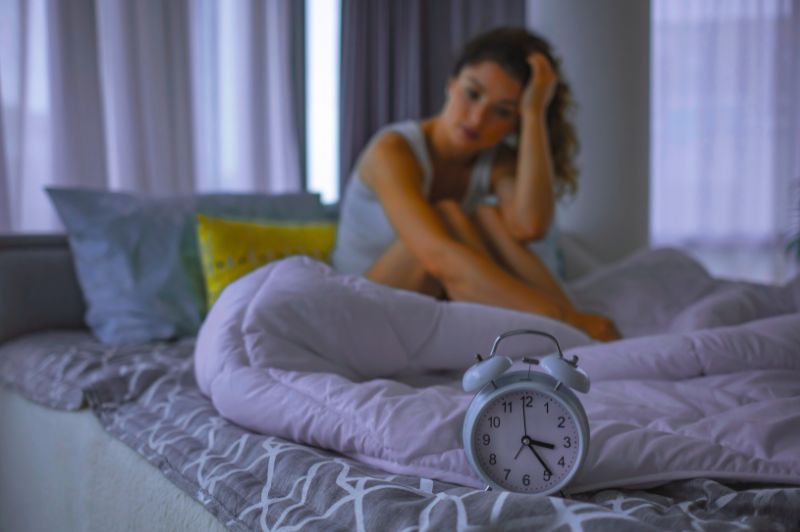
Sleep is one of the first things menopause disrupts and one of the last things most women get help with. You fall asleep fine and wake at 2 a.m. drenched in heat. Or you lie there exhausted but wired. Or you’re up before dawn with a mind that refuses to slow down. These aren’t random bad nights. They’re patterns, and they have a biological explanation.
Effective sleep tips for menopause aren’t about perfection or an elaborate new routine. They’re about understanding what’s changed in your body and making targeted adjustments that work with those changes rather than against them. Small, consistent shifts can restore sleep quality over time. Menopause doesn’t remove your ability to sleep well. It just requires a different kind of support.
Why Sleep Changes During Menopause
Hormones shape sleep architecture in ways most people don’t realize until those hormones start shifting. Estrogen supports serotonin production, which influences melatonin, the hormone that governs sleep cycles. Progesterone has a calming effect on the nervous system. As both decline, sleep becomes lighter and more fragmented.
These shifts drive common menopause sleep problems: difficulty staying asleep, increased sensitivity to stress, and temperature instability. Cortisol can also spike more easily during midlife, especially for women managing demanding schedules alongside their own health transitions. When estrogen fluctuates, the body’s internal thermostat becomes less reliable. When cortisol rises at night, the brain stays alert.
These are physiological changes, not a failure of discipline or willpower. Understanding what’s actually happening makes it easier to respond practically rather than just feel frustrated.
Menopause Insomnia: What’s Really Happening
Menopause insomnia is frequently misunderstood because it doesn’t always look like classic insomnia. Many women fall asleep without difficulty but wake repeatedly through the night. Others wake too early and can’t get back down. The 3 a.m. wake-up is often accompanied by anxious thoughts, mental replay, or sudden heightened alertness. The nervous system is primed rather than winding down.
REM cycles may shorten. External disturbances like temperature changes or noise that would have slept through before now trigger full awakenings. The result is exhaustion despite spending adequate time in bed, which is one of the most demoralizing parts of the whole experience.
Addressing it requires working on three fronts: calming the nervous system, stabilizing temperature, and reinforcing consistent sleep cues that the brain can learn to rely on again.
Night Sweats and Sleep Disruption
Few symptoms interrupt sleep as reliably as night sweats. A sudden wave of heat can trigger full awakening, followed by chills as the body overcorrects. The mechanism is hormonal: estrogen influences temperature regulation in the hypothalamus, and when levels fluctuate, the body misinterprets minor temperature shifts as overheating. Stress amplifies the response.
Environment matters more than most women initially assume. Sleeping in a room that’s too warm, under heavy bedding, significantly increases the frequency and intensity of night sweats. A bedroom temperature between 60 and 67 degrees Fahrenheit is the evidence-based target. Breathable sheets and moisture-wicking sleepwear aren’t luxury items at this stage; they’re practical tools. Night sweats can’t always be eliminated entirely, but their impact on sleep can be reduced substantially.
How to Sleep Better During Menopause
If you’re asking how to sleep better during menopause, the answer starts with routine. The brain operates on a 24-hour clock, and consistent sleep and wake times are the single most effective way to anchor it. Going to bed and rising at roughly the same time each day reinforces circadian rhythm regardless of how well you actually slept the night before. Keeping the wake time fixed is particularly important, even on bad nights, because it’s what rebuilds the sleep drive.
A cool, dark, quiet bedroom supports melatonin production. Limiting screen exposure at least an hour before bed reduces blue light interference with melatonin onset. Alcohol, despite feeling relaxing in the evening, fragments sleep architecture and intensifies night sweats. Many women find that reducing or eliminating it improves sleep quality within a few weeks. Caffeine after midday can extend nighttime alertness longer than expected, particularly as metabolism changes in midlife.
Avoiding heavy meals close to bedtime prevents digestive discomfort and temperature spikes. A small evening snack with protein can help stabilize blood sugar and prevent the early morning wake-ups driven by a glucose dip.
Calming the Nervous System Before Bed
Midlife sleep disruption is often tied to heightened stress reactivity. The body stays on alert longer than it should, and no amount of environmental optimization fully compensates for a nervous system that hasn’t wound down.
Slow, extended exhales activate the parasympathetic nervous system and signal safety to the brain. Even five minutes of diaphragmatic breathing before bed is enough to shift physiological state. Meditation practices, brief ones included, reduce nighttime rumination. Gentle yoga or stretching in the evening lowers cortisol and releases muscle tension that accumulates through the day. Journaling before bed externalizes the mental loop and prevents it from running on repeat at 3 a.m.
The nervous system needs consistent, repeated signals that the day is over. Building even two or three of these practices into a regular pre-sleep routine creates a cue the brain eventually learns to follow.
The Role of Daytime Movement and Sunlight
What happens during the day has a direct impact on how you sleep at night. Morning exposure to natural light is one of the most underused sleep tools available. It resets the circadian clock, advances melatonin timing, and makes it easier to feel genuinely tired by evening. Indoor work environments limit sunlight exposure in ways that quietly delay melatonin release without most people ever connecting the two.
Regular exercise improves sleep depth, but timing matters more in midlife than it did before. High-intensity workouts late in the evening can spike cortisol at exactly the wrong time. Strength training or moderate cardiovascular activity earlier in the day tends to support deeper rest without the cortisol cost. A daily walk of any length, particularly outside in natural light, supports glucose regulation and nervous system calm with minimal recovery demand.
Consistency in both movement and light exposure creates a more predictable internal rhythm. The more predictable the rhythm, the less the nervous system has to compensate at night.
When to Seek Professional Support
If sleep disruption persists despite consistent lifestyle adjustments, a medical evaluation is worth pursuing. Sleep apnea becomes more common after menopause and is significantly underdiagnosed in women. Anxiety disorders can intensify during the menopausal transition and may require direct treatment rather than lifestyle management alone. Hormone therapy is a legitimate option for women whose symptoms are severe enough to warrant it, and access to menopause-trained practitioners has expanded considerably.
Cognitive behavioral therapy for insomnia (CBT-I) has strong clinical evidence behind it and is often more effective than medication for long-term sleep improvement. It’s worth asking about specifically rather than waiting for a provider to suggest it.
Persistent exhaustion shouldn’t be normalized as just part of menopause. Seeking support is practical, not an overreaction.
Sleep Can Be Reclaimed
Menopause shifts the body’s rhythm. It doesn’t permanently take sleep away. With attention to environment, routine, nervous system regulation, and daytime habits, most women can meaningfully improve their rest. Improvement is usually gradual and compound rather than immediate, but it builds.
Sleep supports cardiovascular health, metabolic function, emotional regulation, and cognitive clarity. Protecting it isn’t indulgent. It’s one of the highest-leverage things you can do for your overall health during this transition.
For a practical deep dive into specific remedies including herbal teas, magnesium, melatonin timing, and bedtime routines from a certified menopause health coach, see Lorraine Miano’s guide: How to Get More ZZZ’s During Menopause.