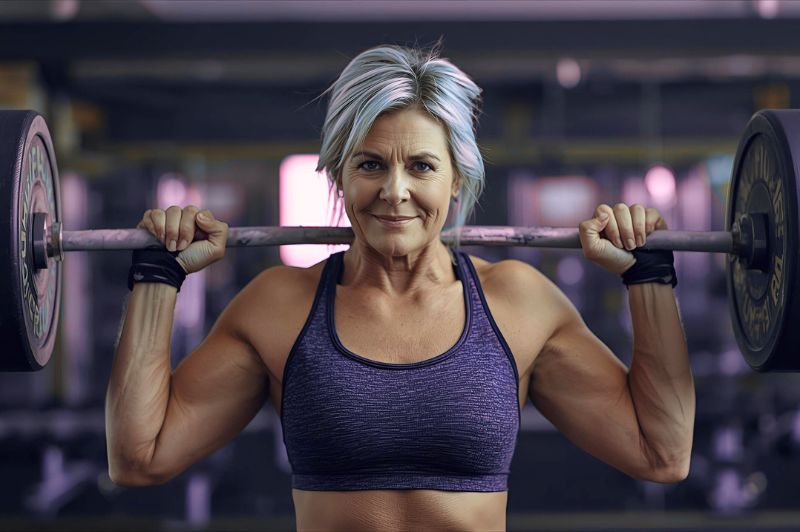
Strength training in midlife isn’t about competition or punishment—it’s about building strength safely, protecting your body, and supporting the life you want to keep living.
Strength Training in Midlife as Protection, Not Performance
For women in midlife and beyond, strength training works best when it’s reframed as a protective practice. Protection for bones, joints, posture, and everyday function. Research on physical activity among older adults consistently shows that regular strength work supports mobility, reduces fall risk, and improves overall quality of life, especially when the focus is on consistency and functionality rather than intensity or speed.
This is not about pushing through pain or proving anything. It’s about training in a way that supports the life you want to keep living.
Understanding Progressive Overload (and Why Patience Matters)
One of the most important, and often misunderstood, principles of strength training is progressive overload. At its simplest, it means gradually increasing the demands placed on your muscles over time. That might look like adding a few repetitions, increasing resistance slightly, or improving control and stability.
When applied correctly, progressive overload helps maintain and build muscle at any age. When rushed, it becomes a fast track to injury. Understanding how progressive overload works, and why form and pacing matter more than ego, can make the difference between sustainable strength and chronic setbacks.
In midlife, progress is measured in resilience, not speed.
Fueling Strength Through Smart Nutrition
Strength isn’t built in the gym alone. It’s built through nutrition, sleep, and recovery. As women move through midlife, protein needs often increase, bone health becomes more important, and the body’s response to carbohydrates, calcium, and vitamin D changes.
This isn’t about restriction or dieting. It’s about supporting muscle repair, reducing inflammation, and maintaining energy. Revisiting how you eat and understanding the benefits of nutritional shifts for women over 50 can have a profound impact on how your body responds to strength training.
Food is not just fuel. It’s structural support for longevity.
Recovery Is the Work
If there’s one place midlife strength training goes wrong, it’s recovery. Muscle repair takes longer. The nervous system is less forgiving. Sleep quality directly affects inflammation, injury risk, and hormone regulation.
Effective strength routines in midlife balance resistance training with rest days, mobility work, stretching, and sleep. Recovery isn’t a sign of weakness; it’s the mechanism that allows strength to be built safely and sustainably.
If your plan doesn’t include recovery, it’s not a plan. It’s a gamble.
Supplements, Hormones, and the Myth of Shortcuts
Protein powders and supplements like creatine can be useful tools for some people when used thoughtfully. But they are exactly that, tools, not solutions. They don’t replace consistent movement, adequate nutrition, or rest.
This is also where caution matters most. Conversations around hormones and performance sometimes drift into dangerous territory, including the temptation to buy steroids online. While there are legitimate medical contexts where hormone therapies may be prescribed, those decisions belong strictly between an individual and a qualified healthcare professional. They are not fitness shortcuts, and they are not lifestyle upgrades.
In midlife, the safest gains are the ones built slowly.
Strength as a Lifelong Practice
Building strength in midlife isn’t about chasing your younger self. It’s about meeting your body where it is and training with respect for its history and its future.
When you lift with intention, fuel with care, prioritize recovery, and resist the pressure to rush, strength becomes sustainable. Not a phase. Not a punishment. A practice that supports confidence, capability, and independence.
And that kind of strength lasts.
Sources & References:
- Sport England. Research on Physical Activity and Older Adults.
https://www.sportengland.org/research-and-data/research/older-adults - Healthline. Progressive Overload: How It Works and Why It Matters.
https://www.healthline.com/health/progressive-overload
Disclaimer: This article is for informational purposes only and is not intended to provide medical advice, diagnosis, or treatment. Always consult a qualified healthcare provider before making changes to your health habits, routines, or medical care.
Did you enjoy this contributed article? This post contains affiliate links. Sign-up for our Sunday newsletter and get your expert content delivered straight to your inbox.