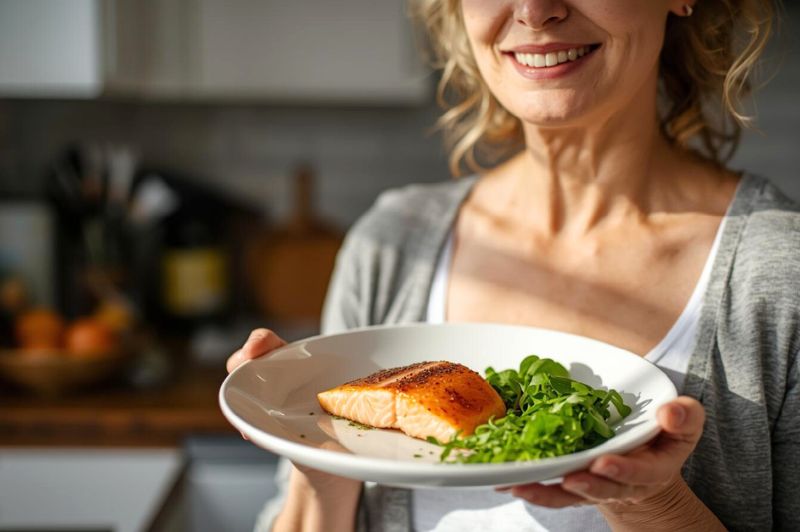
If you’re wondering what to eat during perimenopause, start with a few smart eating anchors that support muscle, steady energy, and a calmer midlife metabolism.
Reaching your 40s and 50s can feel like your body changed the rules without giving you a memo. The same meals that used to “work” suddenly don’t. Energy shifts. Sleep gets unpredictable. And yes, belly fat can show up in a way that feels personal.
It’s not personal. It’s midlife physiology meeting modern life.
This isn’t about punishing your body into compliance. It’s about building a few smart anchors you can repeat, even when life gets chaotic.
What to Eat During Perimenopause: Start With The Goal (because “lose weight” is not a strategy)
In midlife, smart eating is less about shrinking and more about:
- preserving muscle and strength
- stabilizing blood sugar, energy, and cravings
- supporting digestion
- protecting bone and heart health
- reducing inflammation where you can
That’s the long game. And it’s worth playing.
Include Protein in Every Meal
Protein isn’t a trend. It’s one of the most practical tools for women in midlife because it supports muscle maintenance and helps you feel satisfied after eating.
What “protein at every meal” Looks Like in Real Life
You don’t need perfection. You need consistency:
- breakfast: eggs, Greek yogurt, cottage cheese, tofu scramble
- lunch: chicken, tuna, salmon, lentils, beans, tempeh
- dinner: fish, lean meat, tofu, edamame, legumes
- snacks (if needed): yogurt, jerky, edamame, a protein smoothie
The Midlife Payoff
When meals are low on protein, hunger gets louder later. That’s when grazing happens, and it’s easy to feel like you’re “doing everything right” while still not feeling steady.
Increase Nutritional Density Without Living on Salads
Midlife bodies do better when you get more nutrition per bite, not fewer bites out of guilt.
Think “add,” not “restrict”
Add one upgrade at a time:
- leafy greens (in eggs, soups, stir-fries)
- cruciferous veggies (roasted broccoli, cauliflower, Brussels sprouts)
- oily fish a couple times a week (salmon, sardines)
- healthy fats (olive oil, nuts, seeds)
- colorful produce (berries, peppers, citrus)
Bone-support Basics
Bone health becomes more important as estrogen shifts. Build meals that regularly include calcium-rich foods and vitamin D sources (and talk with your clinician if supplementation is on the table).
Fill Up on Fiber (The quiet strategy that actually moves the needle)
Fiber supports digestion, steadier energy, and heart health. It also helps with fullness, which matters when cravings and appetite can feel unpredictable.
Fiber and Visceral Fat
Soluble fiber is especially useful for fullness because it absorbs water and becomes gel-like in the gut. And research has linked higher fiber intake with lower visceral fat in certain populations. One example is this study on dietary fiber intake and visceral adiposity.
Easy Fiber Boosts That Don’t Feel Like “diet food”
- add beans or lentils to soups, salads, and tacos
- stir chia or ground flax into yogurt or oatmeal
- choose berries, pears, and apples more often
- make one meal a day vegetable-forward (roasted counts)
If your gut is sensitive, increase fiber slowly and drink more water.
Hydrate Consistently
Hydration won’t “fix” menopause symptoms, but it supports temperature regulation, digestion, energy, and exercise recovery. And if hot flashes or night sweats show up later, you’ll be glad hydration is already a habit.
Make it Easier Than Willpower
- keep water where you sit (not where you wish you sat)
- drink on a schedule: morning, midday, late afternoon
- if you exercise or sweat a lot, consider electrolytes (especially if plain water isn’t cutting it)
Phytoestrogens: Helpful For Some, Not Magic For Everyone
Phytoestrogens are plant compounds that can have estrogen-like activity in the body. Some women find them helpful for symptoms, and research suggests effects can be modest and may vary by person and by food source. If you want the science-y version, this review on phytoestrogens and menopause symptoms is a good reference point.
Food-first Phytoestrogens to Consider
- soy foods (tofu, tempeh, edamame)
- flaxseed and sesame
- berries and dried apricots (in reasonable portions)
If you have a personal or family history of hormone-sensitive conditions, this is a good “ask your clinician” category.
Menopause Belly: A Reality Check and A Smarter Approach
If you want a practical overview of levers that can help, here are effective ways to beat belly fat that don’t rely on diet-culture nonsense.
And if you want a Kuel Life deep dive focused specifically on midlife belly fat, start with Banish Belly Fat In Midlife.
Don’t Do This:
- slash calories and hope your hormones don’t notice
- skip strength training and expect body composition to “work itself out”
- treat your belly like it’s the enemy (your body doesn’t respond well to contempt)
Do This Instead:
- prioritize protein and fiber most days
- strength train (or do progressive resistance work)
- protect sleep like it’s part of your nutrition plan
- choose changes you can repeat when life gets messy
A Simple 7-Day Reset (no cleanse required)
1) Build every meal around a protein anchor
Pick the protein first. Then add everything else.
2) Add one fiber boost daily
Beans, chia/flax, berries, or a big vegetable serving.
3) Hydrate on a schedule, not a mood
Morning, midday, late afternoon. Done.
Small consistency beats dramatic perfection every time.
Disclaimer: This article is for informational and educational purposes only and does not provide medical advice. It is not intended to diagnose, treat, cure, or prevent any condition. Nutrition needs vary widely, especially during perimenopause and menopause. If you have a medical condition, take prescription medications, or have concerns about symptoms or weight changes, consult a qualified healthcare professional.
Did you enjoy this contributed article? This post contains affiliate links. Sign-up for our Sunday newsletter and get your expert content delivered straight to your inbox.