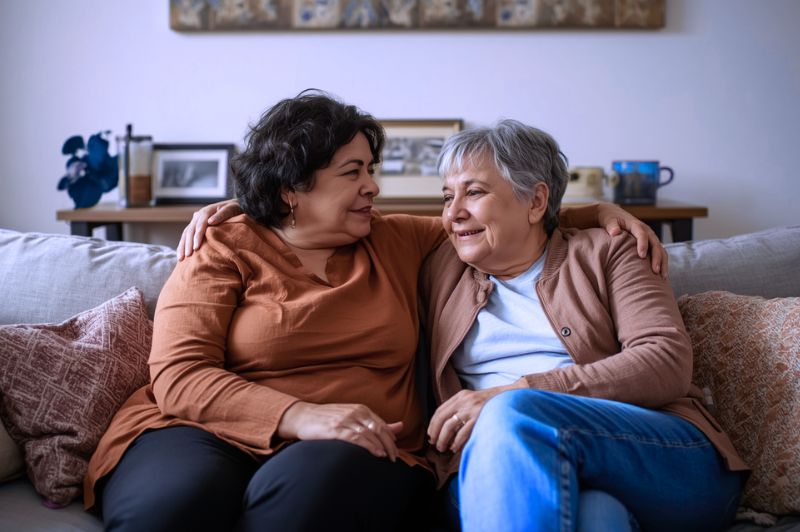
When your ex moves on to someone new, it can reopen wounds you thought had already closed, even if you were the one who ended things.
There are few moments after a divorce that can reopen old wounds quite like learning your former spouse has found a new partner. Whether the divorce was finalized six months ago or several years ago, the news can trigger emotions you thought you had already worked through. Many women are surprised by the intensity of their reaction, particularly if they no longer plan to attempt to reconcile. They often ask themselves, “Why does this still hurt?” or “Why am I so angry when I know the marriage is over?”
The answer is both simple and complicated. Your emotional response is not necessarily about your former spouse or even their new relationship. More often, it reflects the loss of the future you once imagined, the grief that still lingers beneath the surface, and the realization that one chapter of your life has truly come to an end. None of those feelings mean you have failed to heal. They simply mean you are experiencing another step in a process that is rarely as neat or predictable as we would like.
The Healing Myth
One of the biggest misconceptions is that healing follows a straight line, or that the five stages of grief are a reality in divorce. We assume that once we have accepted the end of the marriage, we should never feel sadness or anger again. Unfortunately, our emotions do not operate that way. Significant life events often bring old feelings boiling back to the surface. Seeing your ex with someone new can become one of those moments because it forces your brain to let go of the final piece of the life you expected to have.
This is especially true after a long-term marriage. For years, your identity may have been connected to being part of a couple. You built traditions together, raised children, planned for retirement, celebrated milestones, and imagined growing older with the same person. Even if the relationship became unhealthy or unhappy, your mind still held onto the expectation that this person would always occupy a unique place in your life story. When they begin building those experiences with someone else, it can feel as though your own history has somehow been replaced, even though that simply is not true.
One of the first things I encourage my clients to remember is that another person’s relationship is never an accurate measure of your own worth. It is remarkably easy to fall into the trap of feeling displaced and replaced, believing that your former spouse has somehow “upgraded” or that their new partner possesses qualities you lack. Those comparisons are not only unfair, but they are also almost always based on assumptions rather than facts.
Social media has only made this problem worse. Carefully selected photographs, anniversary posts, vacations, and smiling family pictures tell us very little about the reality of any relationship. Every couple experiences disagreements, disappointments, and challenges. The difference is that most people choose not to post those moments online. Comparing your everyday reality to someone else’s carefully edited highlight reel is a recipe for unnecessary pain.
Many people also assume that if their ex finds someone quickly, it must mean the marriage meant very little to them. Again, this conclusion is rarely supported by the evidence. People enter new relationships for many different reasons. Some have genuinely done the emotional work necessary to build something healthier. Others are simply trying to avoid loneliness, distract themselves from grief, or convince themselves they have successfully moved on. The timing of someone else’s relationship tells you very little about its quality or about the significance of the marriage that came before it.
It’s Not Just Anger
It is also important to recognize that anger is often not the primary emotion at all. In my experience, anger usually serves as a protective layer covering something much more vulnerable. Beneath that anger may be sadness, rejection, disappointment, fear, loneliness, or grief. Until we acknowledge those deeper emotions, the anger tends to remain firmly in place because it feels safer than admitting we are still hurting.
When you find yourself becoming consumed by thoughts about your former spouse’s new relationship, it can be helpful to pause and ask yourself what you are truly grieving. Are you grieving the relationship itself, or are you grieving the future you once imagined? Are you worried that they appear happier than you? Are you questioning your own value because someone else has entered their life? Honest answers to these questions often provide far more healing than simply trying to suppress the anger.
There are also several practical steps you can take to protect your emotional well-being during this difficult time:
Practical Steps for When Your Ex Moves On
- Limit your exposure to social media if seeing updates about your former spouse causes emotional distress.
- Resist the temptation to ask mutual friends for information about their new relationship.
- Avoid comparing yourself to the new partner, whether it relates to appearance, career, personality, or lifestyle.
- Invest your energy in your own physical, emotional, and social well-being rather than focusing on what your ex is doing.
- Permit yourself to experience difficult emotions without judging yourself for having them.
These may sound like simple suggestions, but they require considerable discipline and self-control. Every time you choose not to look at another photograph, search another social media account, or ask another question about your ex’s life, you are reinforcing a healthier habit. Instead of remaining emotionally connected to the past, you are gradually redirecting your attention toward your own future.
Let Go of Hoping for Their Failure
It is equally important to remember that healing is not about waiting for your former spouse’s next relationship to fail. Unfortunately, many people unknowingly place their own happiness on hold while hoping their ex will eventually regret the divorce or discover that the new relationship is not as wonderful as it appears. Even if that were to happen, it would not undo the pain you have experienced, nor would it create the fulfilling life you deserve.
Real healing occurs when you begin investing your energy in yourself again. That may involve strengthening friendships, discovering new interests, traveling, pursuing further education, focusing on your health, volunteering, building your career, or simply creating routines that bring you peace. Every positive step reminds you that your identity extends far beyond your former marriage and that your future is still yours to create.
Moving On After Divorce
Perhaps the greatest gift you can give yourself is compassion. Healing after divorce is not measured by how quickly you stop feeling hurt. It is measured by how gently you respond to yourself when those feelings return. There will be moments when memories surface unexpectedly or when news about your former spouse catches you off guard. Those moments do not erase the progress you have made. They simply remind you that healing happens in layers, and each layer brings you closer to acceptance.
Your former spouse’s decision to begin a new relationship is part of their journey, not yours. It does not define your value, diminish the years you shared, or determine what your future will become. The more you focus on building a life that reflects your own goals, values, and happiness, the less power their choices will have over your emotional well-being.
The healthiest response is not to compete with their next chapter, but to become fully engaged in writing a remarkable chapter of your own.
Did you enjoy this article? Become a Kuel Life Member today to support our Community. Sign-up for our Sunday newsletter and get your content delivered straight to your inbox.

About the Author:
Mardi Winder-Adams is an Executive and Leadership Coach, Certified Divorce Transition Coach, and a Credentialed Distinguished Mediator in Texas. She has experienced her own divorce, moved to a new country and started her own business, and worked through the challenges of being a caregiver and managing the loss of a spouse.
Handling life transitions and pivots is her specialty! In her professional role as a divorce coach, Mardi has helped hundreds of women before, during, and after divorce to reduce the emotional and financial costs of the process. She is the founder of Positive Communication Systems, LLC.