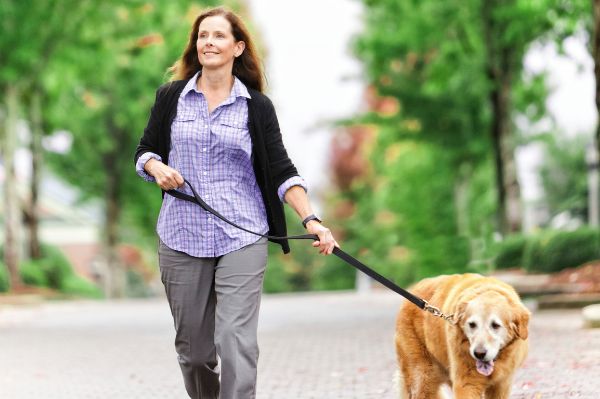
Understanding the most common stressors for dogs can make the difference between a pet who thrives and one who suffers quietly.
6 Common Stressors for Dogs: Honest Signs and Proven Relief
If you share your home with a dog, understanding the most common stressors for dogs can make the difference between a pet who thrives and one who suffers quietly.
For many women in midlife, the dog is not just a pet. She’s the one who was there through the divorce, the empty nest, the career pivot, the 3am anxiety spiral. She doesn’t judge the crying or the Netflix binges or the days when getting off the couch felt like a genuine accomplishment. That bond is real, and it runs both ways. Which means when she’s struggling, you feel it. And for moments when routine and enrichment aren’t quite enough, some owners have found gentle supplemental support like CBD Melts helpful as an added layer of calm. Always check with your veterinarian first on dosing and fit for your specific dog.
The good news is that most dog stress is manageable once you know what you’re looking at. Simple adjustments to routine, environment, and daily enrichment make a real difference. Here’s what’s most likely driving her stress, and what you can actually do about it.
1. When Being Left Alone Feels Like Abandonment
Separation anxiety is one of the most misunderstood issues in dog ownership. The pacing, the accidents, and the chewing through the corner of the couch are not a dog misbehaving. They are a dog in genuine distress.
If you’ve been working from home for years and suddenly that changed, your dog felt it immediately. Her entire sense of safety is built around your presence and your routine. Short practice exits that gradually get longer help her learn that you leaving doesn’t mean you’re gone forever. Keeping departures low-key matters too. Big emotional goodbyes spike arousal and make the crash harder when you actually walk out. A shirt that smells like you in the rest space, white noise to mask hallway sounds, a predictable routine at the door: these small, steady adjustments build the kind of security that can’t be trained in a single session.
2. Thunder, Fireworks, and the Sounds That Undo Them
Some dogs fall apart at a rumble of thunder. Others hold it together until fireworks hit in July, and then you spend the night sitting on the bathroom floor with a 70-pound dog in your lap. If this sounds like your Tuesday, you are not imagining it and you are not alone.
A dark, insulated room with a snug bed gives real shelter from the sensory chaos. Brown noise or simple rhythm tracks reduce sharp peaks better than silence does. During storms, your body language matters more than you might think. Dogs read calm signals, and your steady presence genuinely helps. Counterconditioning over time, pairing low-volume thunder audio with small treats and slowly raising the intensity, can reduce the fear response. It takes patience. It works.
3. New Places, Travel, and the Stress of Unfamiliar Territory
You know that feeling of walking into a party where you don’t know anyone? That’s every new environment for a dog without a frame of reference for it. Unfamiliar motion, smells, and sights push her alert system into overdrive.
Short car trips that end somewhere good, a sniff walk, a brief play session, build positive associations gradually. A familiar blanket and a favorite toy provide emotional anchors when everything else is strange. A portable settle cue, taught at home on a mat and then used in lobbies, parks, and vet waiting rooms, gives her something reliable to return to when the world gets loud. Plan rest stops before agitation builds rather than after. Keep water on hand, because heavy panting speeds fluid loss faster than most owners realize.
4. Vet Visits and Grooming Days
You’ve probably had the experience of dreading a medical appointment so much that by the time you get there, you’re already wound up. Your dog has the same experience at the vet, every single time, without the ability to reason her way through it.
Clinical settings are genuinely stressful. Slick floors, bright lights, unfamiliar handling, the smell of other anxious animals. Many veterinary practices now offer happy visits, where your dog comes in, gets treats from the staff, and leaves without anything unpleasant happening. The space stops feeling like a threat. At home, practice gentle handling of paws, ears, and the base of the tail so touch in those areas stops being alarming. Break grooming into short sessions with praise at each step rather than powering through the whole thing at once. A lick mat or slow feeder keeps focus steady during nail trims and makes the whole experience considerably less of an event.
5. Boredom and the Problem of Unspent Energy
A bored dog is a stressed dog. If you’ve ever gone stir-crazy on a Sunday with nothing to do and nowhere to be, you understand the energy that has nowhere to go. For a dog, that energy comes out somewhere, and it’s rarely where you’d choose.
The solution isn’t always more exercise, though physical activity helps. It’s also mental engagement. Ten minutes of nose work can exhaust a dog as effectively as a long walk. Puzzle feeders, scatter feeds, rotating toys to keep novelty high: these tap into instincts that a walk around the block doesn’t touch. Match daily activity to your dog’s actual age, breed, and energy level rather than a generic recommendation, and you will see a different dog.
6. When Your Dog Needs More Than Routine Can Offer
Sometimes structure, patience, and enrichment aren’t quite enough, particularly for dogs dealing with persistent anxiety, new sensitivities that come with age, or recovery from a stressful life transition. Sound familiar? It should. Midlife women and their midlife dogs often navigate the same season of change at the same time, and both deserve support that actually works.
As with anything that affects calming the nervous system, soft music, low lighting, and a crate or den space as a safe base matter as much as anything you give her. Track your dog’s response to any changes, adjust gradually, and loop in your veterinarian when you’re unsure.
Common Stressors for Dogs Can Be Dealt With
Your dog is telling you something every time she paces, hides, or refuses to settle. She told you something the first time she put her head in your lap when you were having a hard day, too. You paid attention then. Pay attention now. The goal isn’t a perfectly calm dog at all times. The goal is a dog who trusts that her world is safe, that you’re paying attention, and that when things get hard, there’s somewhere she can land. She’s given you that. You can give it back.
Disclaimer: This article is for informational purposes only and does not constitute veterinary advice. Always consult your veterinarian before introducing new supplements or treatments for your dog.
Did you enjoy this contributed article? This post contains affiliate links. Sign-up for our Sunday newsletter and get your expert content delivered straight to your inbox.