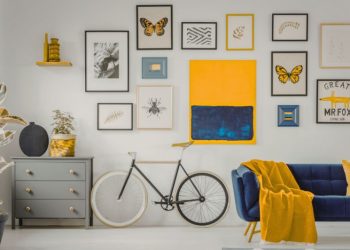
Creating a functional home in midlife isn’t about renovations or perfection — it’s about designing a space that supports how you live, move, and evolve now.
What a Functional Home in Midlife Really Looks Like Day to Day
At a certain point in life, you realize your home isn’t just a place you live. It’s a partner in how you move through your days. And when your life changes, as it inevitably does in midlife, your home can either support that evolution or quietly work against it.
Many women reach this stage and feel an underlying friction in their space. Rooms feel cluttered or outdated. Layouts no longer match how you actually live. Every day tasks require more effort than they should. The home that once worked fine now feels oddly misaligned.
That’s why the idea of creating a home that grows with you matters so much. A space that adapts to your needs, rhythms, and priorities, not just today, but over time, becomes a powerful form of support. Kuel Life has explored this deeply in the idea of building a home that evolves with you, one that reflects who you are now rather than who you were years ago.
The good news? Creating a more functional home doesn’t require a massive renovation or a blown budget. It requires intention, clarity, and a willingness to design for the woman you are now.
Reclaiming Space That Works for You, Not Against You
Midlife often comes with a shift in how space is used. Kids may be grown or nearly there. Work may have moved home. Your tolerance for clutter may have vanished entirely. Suddenly, square footage matters less than usable space.
This is where functionality begins — with an honest look at what’s actually serving you. What rooms feel cramped, chaotic, or underutilized? What areas are still set up for life stages you’ve already outgrown?
Decluttering is one step, but smart space solutions go further. Small adjustments in layout, storage, and room purpose can completely change how a home feels. Practical strategies for maximizing every room, especially in smaller or older homes, can unlock space you didn’t realize you had, as shown in thoughtful space solutions for every room.
A functional home supports flow. It allows you to move through your day without constantly working around your environment.
Handling Repairs Before They Drain Your Energy
There’s a unique kind of stress that comes from living with things that are quietly broken. A slow leak, lingering moisture, or unresolved damage doesn’t just sit in the background; it drains mental energy over time. When small issues go unaddressed, they can escalate into situations that require professional water damage restoration, which is far more disruptive and costly than early intervention. Taking care of repairs promptly isn’t just about protecting your home; it’s about protecting your peace of mind and preventing unnecessary upheaval later.
In midlife, these unresolved issues don’t fade into the background; they take up mental space. And problems like leaks or flooding that go unaddressed can quickly turn into larger disruptions requiring professional water damage restoration, which is far more stressful and expensive than early intervention.
Taking care of repairs promptly isn’t just about protecting your home. It’s about protecting your peace of mind. A functional home is one where you’re not constantly compensating for what isn’t working.
Designing With the Long View in Mind
One of the biggest mistakes people make when updating their homes is designing only for the present moment. Midlife invites a longer view.
Your needs today may be different from five or ten years ago, and they will continue to evolve. Designing with longevity in mind means thinking beyond aesthetics and focusing on how your home will support you over time.
Ideas like main-floor living, flexible rooms, better lighting, and low-maintenance materials are all part of creating what many now call a “forever home” — not because you’re staying put out of obligation, but because the space continues to work for you. Thoughtful forever home ideas prioritize comfort, adaptability, and ease as life changes.
Functionality isn’t about stripping away beauty. It’s about ensuring beauty doesn’t come at the cost of comfort, accessibility, or long-term well-being.
Why Functionality Is a Form of Self-Care
At Kuel Life, we talk often about redefining self-care in midlife. A functional home is part of that conversation.
When your space supports your routines, your energy improves. When your environment aligns with your lifestyle, stress decreases. When your home reflects who you are now, not who you were expected to be, it becomes grounding instead of draining.
Creating a more functional home isn’t about doing everything at once. It’s about making intentional choices that compound over time. Small shifts can lead to meaningful change.
The result is a home that doesn’t just look better, but feels better, one that supports the next chapter of your life with clarity, ease, and confidence.
Because in midlife, functionality isn’t about efficiency for efficiency’s sake.
It’s about designing a life — and a home — that truly works for you.
Did you enjoy this contributed article? This post contains affiliate links. Sign-up for our Sunday newsletter and get your expert content delivered straight to your inbox.