Luxury eyewear for women over 50 is no longer about indulgence—it’s about comfort, clarity, confidence, and making smart choices that support changing vision and personal style.
By midlife, most women know the difference between something that looks good and something that actually feels good. That applies to relationships, careers, and yes, eyewear.
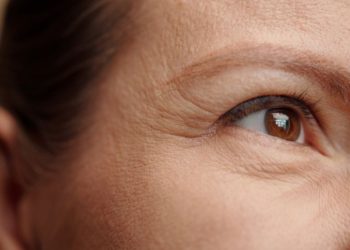
Vision changes are real in your 40s and 50s. Dry eyes. Shifting prescriptions. Increased sensitivity to glare. Suddenly, those flimsy frames you tolerated for years no longer cut it. Comfort matters. Clarity matters. And style still matters.
The good news? Investing in high-quality eyewear doesn’t have to feel indulgent or financially reckless. With smart planning and the right tools, luxury eyewear can be a practical, confidence-boosting choice.
Why Eyewear Quality Matters More After 50
As we age, our eyes work harder. Hormonal shifts during perimenopause and menopause can affect tear production, focus, and visual comfort, making frame fit and lens quality far more important than they once were. This isn’t about vanity; it’s about daily ease and long-term eye health.
Well-crafted frames made from materials like titanium or premium acetate are lighter, more balanced, and less likely to cause pressure headaches or irritation. High-quality lenses reduce eye strain, improve contrast, and support sharper vision throughout the day.
If you want a deeper look at how hormonal changes affect vision, this Kuel Life guide on eye health during perimenopause breaks it down clearly and practically.
Luxury Doesn’t Mean Impractical
There’s a persistent myth that “luxury” equals unnecessary. But in midlife, many women are rethinking that equation.
Luxury, when chosen well, often means:
- Better materials that last longer
- Thoughtful design that prioritizes comfort
- Frames that don’t need constant adjusting or replacing
In other words, fewer purchases and fewer compromises.
And increasingly, women over 50 are aligning their spending with value, longevity, and quality over quantity. This broader shift toward intentional purchasing is showing up across fashion, health, and lifestyle choices, as reported in recent coverage on how midlife consumers are redefining spending priorities.
How to Use FSA and HSA Funds for Premium Eyewear
Here’s where strategy comes in.
Many women don’t realize that prescription eyewear—including higher-end frames and lenses—can qualify as an eligible medical expense. That means you can use pre-tax dollars rather than paying out of pocket.
By using FSA and HSA for high-end glasses, you’re not “splurging”; you’re spending smart. These accounts allow you to invest in eyewear that supports your vision and comfort while reducing your overall cost.
This approach works best when you plan ahead:
- Review your vision needs for the year.
- Confirm eligibility details with your plan.
- Allocate funds accordingly during enrollment.
When used intentionally, these accounts make premium eyewear far more accessible.
Choosing Frames That Will Still Feel Right Next Year
Trends come and go. Midlife women know that chasing them is exhausting.
Instead, look for frames that align with your lifestyle and sense of self:
- Balanced shapes that work with your face, not against it.
- Neutral or classic colors that integrate easily into your wardrobe.
- Designs that feel current without screaming “this season”.
Aviators, soft rectangles, and refined cat-eye shapes tend to age well, both stylistically and practically. The goal isn’t to disappear. It’s to choose pieces that support how you show up now.
Luxury Eyewear for Women Over 50: Seeing Yourself Clearly
Eyewear is one of the most visible things you wear. It frames your face. It shapes first impressions. And it’s often the item you put on before you face the world each day.
Choosing glasses that feel intentional—comfortable, flattering, and aligned with who you are in this chapter—isn’t frivolous. It’s a form of self-respect.
Midlife isn’t about shrinking your choices. It’s about making better ones.
Disclaimer: This article is for informational purposes only and does not constitute medical or financial advice. Always consult your vision care provider and benefits administrator regarding eligibility and coverage for eyewear expenses.
Did you enjoy this contributed article? This post contains affiliate links. Sign-up for our Sunday newsletter and get your expert content delivered straight to your inbox.