Naturopathy for women over 50 can feel either empowering or confusing, depending on how clearly it’s explained and how honestly its limits are addressed.
Naturopathy is one of those terms that gets tossed around in wellness circles without much clarity. If you’re a woman in midlife considering various ways to support your health, whether that’s energy, digestion, stress resilience, or hormonal balance, it’s helpful to understand what naturopathy actually is, what it’s based on, and its limitations.
This article breaks it down in a grounded, practical way so you can decide what’s worth exploring, and what’s not.
What Is Naturopathy?
At its core, naturopathy is a system of health care that aims to address the underlying causes of health concerns rather than just managing symptoms. According to the National Center for Complementary and Integrative Health, naturopathy aims to prevent and treat disease by addressing underlying causes and typically emphasizes diet, stress management, and lifestyle factors.
Unlike conventional medicine, which often focuses on diagnosis and acute treatment, naturopathy takes a more holistic lens. It looks at diet, physical activity, stress, sleep, environmental factors, and emotional well-being as part of an integrated health picture.
A Broad System, Not a Single Treatment
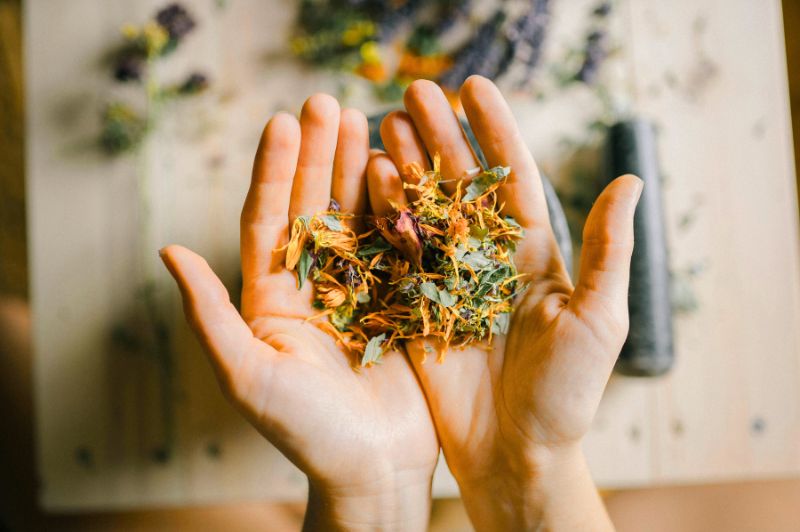
Naturopathic practitioners may employ a range of methods, from nutrition counseling and botanical medicine to stress management strategies, depending on their training and local regulations. Some of these approaches have solid support (like dietary changes and stress reduction), while others are more controversial or lack strong scientific backing. It’s important to distinguish between the two when considering what makes sense for you.
How Naturopathy Approaches Everyday Wellness
A common reason midlife women explore naturopathic care is that traditional health systems have left gaps, especially around chronic stress, digestive issues, fatigue, or hormone shifts. A naturopathic consultation often begins with a detailed health history and may include functional testing like gut microbiome assessment or hormone panels, aiming to tailor recommendations to you.
Here are a few categories where naturopathic support is commonly sought:
Nutrition and Lifestyle Integration
Good nutrition and balanced lifestyle patterns have strong support in conventional research. Naturopaths often provide detailed plans that combine these elements, which can help with:
- energy balance
- digestive comfort
- sleep improvement
- mood regulation
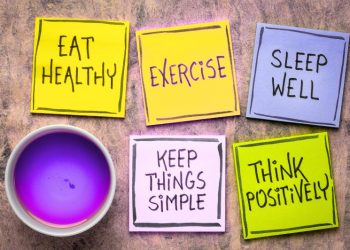
Even outside of naturopathy, diet and lifestyle changes are foundational levers for wellness at any age.
Stress and Mind–Body Support
Chronic stress expresses itself physically in many ways, such as disrupted sleep, hormonal swings, or chronic tension. Naturopathy might include stress-management techniques, mindfulness tools, or movement therapy to help you reset. These approaches are often complementary to conventional recommendations and can provide additional tools for self-care.
Naturopathy for Women Over 50: What It Can and Can’t Do
When you’re investing time and money in a health approach, it’s reasonable to ask whether it works, and for what. A recent Australian Government’s Natural Therapies Review 2024 naturopathy evidence evaluation found that the certainty of evidence for naturopathy across many conditions is low, which is exactly why you should treat big promises as a red flag
That doesn’t mean every tool used by a naturopath lacks value. Many individual strategies, like improved diet, movement, sleep optimization, and stress management, have strong research support on their own. However, when they are wrapped together under the “naturopathy” label, the evidence becomes harder to interpret because the practice varies widely.
This mixed evidence picture is why it’s especially important to think critically before committing to a naturopathic program.
When Naturopathy Might Be Worth Considering
Here are scenarios where exploring naturopathic support may make sense for a midlife woman:
1. You Want a Personalized, Whole-Person Evaluation
If you feel like conventional appointments only scratch the surface and you’re looking for a conversation about patterns, like how diet, sleep, stress, and hormones are interacting, a naturopathic consultation may offer a different lens.
2. You’re Exploring Complementary Tools
For areas like nutrition support, stress management, gentle movement, or sleep hygiene, some naturopathic recommendations overlap with mainstream health guidance and can be empowering.
3. You’re Curious About Functional Testing
Some naturopathic practitioners use functional testing (like microbiome or hormone assessments) to look for patterns that don’t show up on standard labs. Whether that information changes your plan is something you’d want to discuss with a knowledgeable provider.
What to Watch Out For
The NHS guidance on complementary and alternative medicine is blunt for a reason: evidence matters, and “natural” doesn’t automatically mean safe, effective, or appropriate for your situation. Not all naturopathic approaches are the same, and not all claims are backed by strong evidence. Some modalities (like homeopathy) are considered pseudoscientific by mainstream science, and others have very limited data supporting their use.
Because of this variation:
- Ask your provider to explain the reasoning behind recommendations
- Be wary of claims that sound too good to be true (“eliminate all disease,” “miracle cure”)
- Treat any herbal or supplement plan as something to discuss with your primary clinician, especially if you’re taking medications
A useful framework is to think of naturopathy as a set of tools, some of which align with common health priorities (diet, stress, sleep), and others that fall into more experimental or less evidence-based territory.
Midlife Women, Health Decisions, and Empowered Choices
There’s no one-size-fits-all answer to whether naturopathy will benefit you, and any reputable provider will tell you that. A good practitioner supports your autonomy, helps you interpret evidence, and partners with conventional providers when necessary.
If you decide to explore this path, one real-world example of a clinic that provides naturopathic care in person is the best naturopath in Brisbane, where practitioners aim to work with you to understand your whole health picture and tailor recommendations accordingly.
Curious About Integrating Natural Approaches Into Your Health Routine?
Whether or not you pursue naturopathic care, a balanced, informed approach to wellness often includes a mix of evidence-based lifestyle strategies and targeted support where needed. For additional tools you may find useful, check out our guide on choosing the right supplements for wellness goals for women over 50, which offers practical ways to evaluate nutritional support as part of a holistic plan.
Conclusion
Naturopathy is one of many ways to think about health support, and it can make sense for some women in midlife when used thoughtfully and in partnership with conventional care. The key is to approach it with curiosity, not assumptions, and to prioritize strategies that align with your goals and the best available evidence.
Disclaimer: This article is for informational and educational purposes only and is not intended as medical advice. Naturopathic approaches and outcomes vary, and not all methods discussed are supported by strong scientific evidence. Always consult with a qualified healthcare professional before starting or changing any health-related treatment, supplement, or lifestyle approach.
Did you enjoy this contributed article? This post contains affiliate links. Sign-up for our Sunday newsletter and get your expert content delivered straight to your inbox.