Midlife Matters: Diane Amelia Read
Perimenopause, not feeling like yourself, is one of the most dismissed experiences in midlife, and a documentary that hit PBS this spring makes a compelling case for why it deserves your full attention.
Before The Pause: What The M Factor 2 Gets Right
When the original The M Factor: Shredding the Silence on Menopause was released, I wasn’t expecting it to hit quite so close to home. But there I was, a decade past menopause, suddenly dealing with a recurrence of hot flashes. Okay … what?!
Like many women, I had unceremoniously filed my symptoms under “this is aging.” Case closed. Carry on.
And then I watched the film.
What it cracked open for me was this: so many of the things we’ve been told are “just part of getting older” are actually hormonal shifts that can be influenced. That distinction caught my sweaty, exasperated attention.
I made a few lifestyle shifts … nothing extreme, expensive, or unsustainable … and I saw real results. The hot flashes stopped, the brain fog lifted, and my libido returned (a delightful bonus!) And here’s the kicker: when I drift back into my old habits, the symptoms return. Cause, meet effect. Clear as day.
The Sequel Deepens The Conversation
Now, with The M Factor 2: Before the Pause, the conversation expands. If the first film broke the silence, this one essentially says, “Alright, ladies … now we know. Let’s get discerning, and let’s get ready.”
One of the most resonant themes is that women are no longer willing to accept one-size-fits-all answers. Or no answers. We are asking better questions, expecting more nuanced guidance, and making informed, individualized decisions about how we support our bodies for right now and for the future.
Perimenopause: Not Feeling Like Yourself Is Information
One of the most commonly reported symptoms highlighted in the film is something going into charts as NFLM … Not Feeling Like Myself. That lands. How many of us have chalked that feeling up to being stressed or simply having a lot going on? Both may be true, but they’re not always the full story.
Sometimes, what feels like a loss of self is actually a shift in chemistry. And when you understand that something powerful happens, you stop blaming yourself and start getting curious instead. An energetic upgrade right there.
The Part We Really Can’t Ignore
The second film also shines a much-needed light on women and heart health. It’s an area that deserves far more airtime than it typically gets. Heart disease remains the number one killer of women, yet up to 80% of it is considered preventable.
Before menopause, estrogen plays a protective role by supporting flexible blood vessels, reducing inflammation, and helping maintain a healthy cholesterol balance. As estrogen declines, those protective effects diminish. Blood vessels can stiffen, blood pressure may rise, and plaque buildup can accelerate. Our approach must evolve along with our biology as a type of informed self-respect.
For a deeper look at how hormones affect your cardiovascular system during this transition, this Kuel Life piece on hormones and heart health is worth your time.
Tools, Not Dogma
While the film explores interventions like hormone replacement therapy (which is now better understood and, for many women, safely used,) what I appreciated most is that it doesn’t stop there. It brings the focus back to foundational, accessible practices that support the body in meaningful, everyday ways.
- Weight-bearing exercise, non-negotiable for bone density and metabolic health.
- Food as potent medicine, with an emphasis on eating enough.
- Targeted supplementation … magnesium, Vitamin D, B vitamins, omega-3s, and sometimes iron … for addressing common deficiencies.
And then there’s hydration. Simple, but not optional. Considering the brain is largely composed of liquid, even mild dehydration can impact how clearly we think, focus, and function.
On No Calendar, Anywhere, Ever
One line from the film stayed with me: “There are seven days of the week, and none of them are ‘someday.'”
We know, “I’ll get to it eventually” has a way of turning into “oops, that didn’t happen.” In this season of life, waiting doesn’t work … not for our health, not for our energy, and certainly not for feeling like ourselves again.
The Big Picture, Of Both Pictures
If I had to distill both films into a single message, it would be this: you are not at the mercy of your body, you are in relationship with it. And like any relationship worth having, it requires attention, responsiveness, and a willingness to adjust.
We’re not chasing youth here (hard pass). But we can maintain our vitality by recognizing that our bodies continue to have evolving needs … and you have permission to meet those needs with curiosity and expectation instead of resignation.
A Love-Shove
If you’re feeling off, physically, mentally, or emotionally, please don’t automatically file it under “this is just how it is now.” It might be, but it might not. Question it. Try small shifts. Pay attention to what changes. Know that you do not have to accept the status quo.
When you stop settling for “fine” and start supporting your body with intention, something remarkable happens:
You don’t just feel better.
You start to feel like yourself again.
And that, dear one … is not something to put off until someday. 💛
Did you enjoy this article? Become a Kuel Life Member today to support our Community. Sign-up for our Sunday newsletter and get your content delivered straight to your inbox.
About the Author:
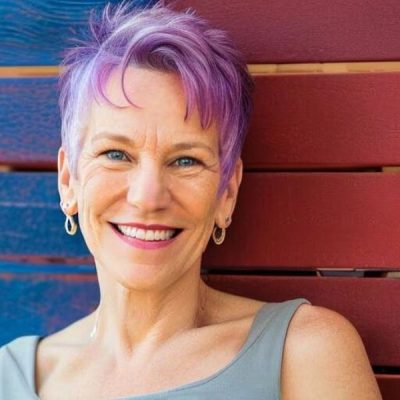
Diane Amelia Read is an experienced growth partner, health and mindset advisor, stereotype disrupter, and surfer wannabe. She’s a Reiki Master Teacher, podcaster, StreetWise MBA graduate, and samba singer, Law of Attraction mentor, and motivational speaker.
Her mission is to make the world a more loving and interconnected place by helping women love themselves first so they can bring their most joy-filled awesomeness to everyone and everything else without depleting themselves
As a Mind & Body Alchemist For Women Over 50, Diane Amelia’s unique personal transformation toolbox is chock full of options for midlife women ready for sustainable improvement in their health, confidence, mindset, income, community, or all of the above.