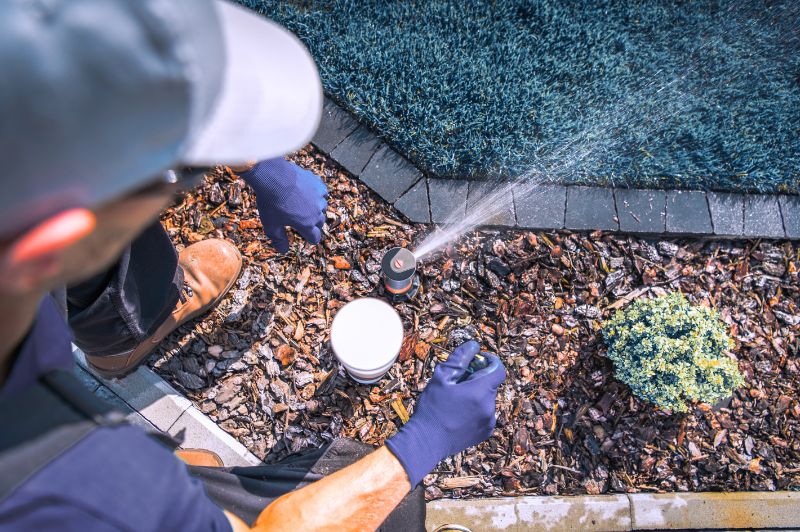
A smart sprinkler system for a low-maintenance yard is not really about the grass. It’s about time.
You already know this scene: it’s 6 p.m., you remembered the sprinkler wasn’t set again, and now you’re standing in the yard dragging a hose across grass that didn’t ask for your Saturday morning either. Nobody’s tracking this labor. Nobody’s paying you for it. You just keep doing it because nobody else ever picked it up, and somewhere along the way you stopped asking why it was still on your list.
That’s worth a second look. Not because your yard doesn’t matter, but because at this point in your life you get to decide what deserves your actual time, and moving a hose around isn’t earning its spot on that list.
You’ve Done Enough Manual Labor
For a lot of years, doing everything yourself passed for competence. You handled it, so you kept handling it, and eventually handling it became the whole job description. Retiring a task like manual watering isn’t giving up. It’s recognizing that some jobs never paid you back, they just refilled themselves the next week, over and over, without ever asking whether you had the time.
Your body’s been doing this in the heat, hauling hose from the porch to the far bed and back, and none of it made your yard better than a properly zoned system would. That’s not a confession. That’s just math, and you’re allowed to do the math.
What a Smart Sprinkler System for a Low-Maintenance Yard Actually Buys You
An hour back, every week, the time you’d otherwise spend remembering to water, adjusting the schedule, or standing around waiting for a hose to finish. Set it up right and it runs on its own timeline, covering the lawn, the flower beds, and anything newly planted, without you standing over it.
It also solves a problem you may not have clocked: uneven watering. Handle it manually and some areas get soaked while others go dry, because attention is finite and a hose can only be in one place at a time. Split the yard into zones instead, and each area gets what it actually needs, the sunny stretch, the shaded bed, the new plantings, all watered on their own terms instead of whatever’s left of yours.
There’s No One-Size System, Just Like There’s No One-Size Midlife
Nobody’s yard is the same, and neither is anybody’s life at this stage. The size of your space, what you’re growing, your soil, your sun, your slope–all of it changes what actually works. A sunny lawn needs something different than a shaded bed. Mature shrubs need something different than plants you put in the ground last spring.
Getting the design right matters more than the equipment itself. If you’re looking at professional installation, a hunter sprinkler system is worth exploring as an option, built around your yard instead of a generic template. Automating isn’t a flex. Done right, it just runs quietly in the background of a life you’re not interested in narrating to anyone.
Let the Tech Do the Remembering
The newer systems aren’t complicated; they’re just better at holding what you used to have to hold yourself. Worth looking for: smart controllers that adjust the schedule on their own (look for the EPA’s WaterSense label, which certifies real water savings), rain sensors that skip a cycle when the sky already did the work, separate zones for lawn, beds, and shrubs, pressure-regulated heads, drip irrigation for gardens, and simple seasonal adjustments you can make in minutes.
None of it is about impressing anyone. It just means you stop being the one who has to remember, week after week, whether the lawn got watered.
Signs Your Yard Is Asking for Help
Even a yard that looks fine can be quietly wasting water or missing spots. Walk it while the system runs and watch for brown patches that don’t make sense, water pooling near walkways or patios, sprinklers hitting the fence or driveway instead of the grass, plants that look stressed despite regular watering, a water bill that jumped without a clear reason, or one section growing faster than the rest.
None of this requires you to become an irrigation expert. It requires ten minutes and a walk around your own yard, paying attention to what’s actually happening instead of what you assume is happening.
Before You Hire Someone, Ask These Four Questions
If you’re bringing in a professional, the questions matter as much as the quote:
- How will the yard be zoned?
- Will it account for different plant types?
- How are slopes and shaded areas handled?
- What heads or drip lines will be used, can the schedule be adjusted easily, will coverage be tested after install, and what maintenance will it actually need?
A system that can’t answer these clearly isn’t ready to run unattended, which defeats the entire point of installing one.
The Lawn Was Never the Point
Nobody actually cares about a green lawn. What they care about is a yard that stops asking for attention every week, so you can decide, on your own terms, whether you want to spend Saturday morning out there with coffee or not think about it at all. Maybe that’s a corner of the yard that’s actually yours, not the kids’, not the dog’s, just something you built because you wanted it there. Either way, the difference is that it’s now a choice rather than a chore, and choosing is the whole point.
Did you enjoy this contributed article? This post contains affiliate links. Sign-up for our Sunday newsletter and get your expert content delivered straight to your inbox.