CBD and THC for women over 50 come loaded with more noise than answers, half warning, half hype, so let’s skip both.
Skip the question about whether cannabis is trendy or “age-appropriate.” The one that actually matters is whether it’s safe with what you’re already taking. You’ve spent five decades deciding what goes in your body. This is no different. It just comes with a couple of new things to check first.
What’s Actually in Your Hands Now
Today’s market runs on precision instead of guesswork. A gummy tells you exactly how many milligrams you’re getting. A tincture lets you dial the dose down with a dropper. A topical never even reaches your bloodstream. Skip the smoke if you want to; nobody’s stopping you. This isn’t your college roommate’s stash from 1988. It’s built for people who want control. For those considering inhaled options, cheap thc vape cartridges can vary in potency, ingredients, and hardware, so checking the product details is important.
The One Conversation to Have Before Anything Else
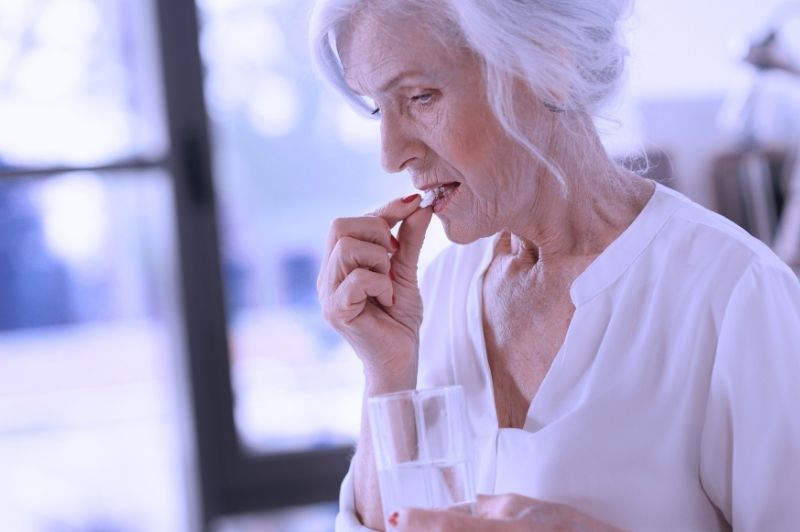
CBD runs through your liver on the same pathway, called CYP450, that processes a long list of everyday prescriptions: blood thinners, statins, SSRIs, blood pressure meds. That pathway gets crowded, and your medication can end up stronger or weaker than your doctor intended. Mayo Clinic confirms this interaction risk directly, particularly with blood thinners. This is the one part of this article that actually matters, so don’t skim it. If you take anything regularly, this is the call to make before you buy, not after you’ve already got gummies sitting in your kitchen drawer. Your pharmacist can answer it in five minutes. Skip that step and you’re the one taking the real risk, not the CBD.
CBD, No Spin
CBD won’t get you high, which is exactly why it’s the easier entry point. No intoxication, nothing to explain to anyone. People reach for it for relaxation, stress, aches, or just to feel a little steadier, and I’ve talked to enough women who started out purely curious and ended up sticking with it for the sleep alone. If menopause-related sleep trouble or mood swings are what brought you here, our deeper dive on CBD and menopause anxiety is worth a read. The research is still catching up, so treat CBD as a possible tool, not a cure. It doesn’t replace medication prescribed for a diagnosed condition, and anyone telling you otherwise is selling you something, not informing you.
THC, No Spin
THC is intoxicating, full stop, and dose is everything. A low dose, around 2.5mg or less, tends to relax. A moderate dose, roughly 5 to 10mg, still might. Go past what your body handles well and relaxation flips to anxiety, racing thoughts, or a night you didn’t sign up for, and I’ve heard that story enough times to take it seriously. Age, medications, and how often you use it all shift your tolerance, so what worked at 25 tells you nothing at 55.
California’s own cannabis regulator puts it simply: start low, go slow. Give edibles time. Their effects are delayed, and doubling up because “nothing’s happening yet” is how people end up taking far more than they meant to. And once THC is in your system, driving is off the table, no exceptions.
Gummies, Oils, Topicals: Pick Your Format
CBD gummies are the low-effort option: measured dose, no dropper, no guesswork. The tradeoff is a slower onset, which is exactly why impatience with edibles gets people in trouble. Oils and tinctures trade convenience for flexibility, you control the amount more precisely, though not everyone loves the taste, and a few of my friends have simply given up and switched to gummies for that reason alone.
Topicals skip ingestion altogether, creams and balms applied straight to sore knees, shoulders, or backs. THC in a topical won’t get you high, since it never enters your bloodstream the way an edible does. None of these is objectively better. The right one is whichever you’ll actually use, consistently, without it being a hassle.
Shop Like You Mean It
Good packaging tells you nothing about what’s inside, and honestly, a brand leaning hard on gorgeous branding instead of lab results is telling you something too. Before you buy, check for a clearly labeled milligram count per serving (not just per package), a full ingredient list, and a recent Certificate of Analysis from third-party lab testing confirming both potency and purity. If a brand won’t show you that, walk. The FDA still doesn’t regulate CBD products the way it regulates supplements or medications, which is exactly why that lab report matters as much as it does. THC laws also vary by state, so know what’s legal where you live before you buy anything with meaningful THC content.
The Bottom Line on CBD and THC for Women Over 50
I’ll say this plainly: cannabis at this stage of life doesn’t need to be a statement about who you are now. It’s just a decision. Check the interactions, read the label like you mean it, start low. Try it or skip it. Either way, you don’t owe anyone an explanation.
Sources:
- Mayo Clinic: CBD: Safe and Effective?
- California Department of Cannabis Control: Start Low and Go Slow
- FDA: Regulation of Cannabis and Cannabis-Derived Products, Including CBD
Medical disclaimer: This article is for informational purposes only and isn’t medical advice. Talk to your doctor or pharmacist before adding CBD or THC to your routine, especially if you take prescription medication.
Did you enjoy this contributed article? This post contains affiliate links. Sign-up for our Sunday newsletter and get your expert content delivered straight to your inbox.