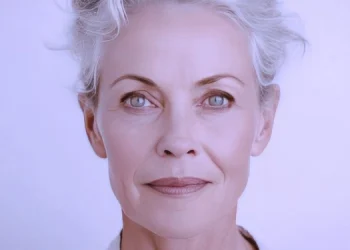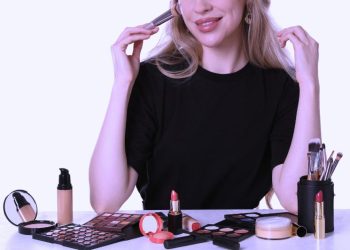
If you’ve ever watched powder blush settle into your fine lines and decided the problem was your face, it wasn’t. Cream blush for mature skin exists precisely because your skin deserves better than that.
It melts in. It moves with you. It gives you a flush that looks like it came from a good walk or a glass of wine, not from a compact. That’s the difference. But the product is only half of it. The tools you use matter just as much, and that’s what most beauty tutorials skip entirely.
This guide covers both the right formula, the right tools, and the techniques that actually work on the skin you’re in right now.
Why Cream Blush Works Differently After 50
Your skin produces less oil as you age. Collagen shifts. Texture becomes more nuanced. These aren’t flaws. They’re biology. But they do change what works in your makeup bag.
Powder formulas that were fine at 35 often sit differently now. They can look patchy, cling to dry areas, or make texture more visible rather than less. Cream blush skips all of that. Its emollient texture sinks into skin instead of sitting on top of it, which means it won’t pool in creases or emphasize fine lines.
The result is color that reads as part of your skin. Our beauty expert, Elise Marquam Jahns has tested and ranked dozens of blushes specifically for older women, and cream formulas consistently outperform powder for exactly this reason. If blush has looked off on you before, the formula was probably the problem, not your face.
Why Your Tools Matter as Much as the Product
You can have a beautiful cream blush and still end up with muddy, uneven color if you’re using the wrong tools. Beauty tools for mature skin are designed to work with your skin’s current texture, not against it. The wrong brush or sponge can drag, cause the product to pill, or deposit too much pigment in one spot before you’ve had a chance to blend.
Stiff or scratchy bristles are a problem. So are flat, dense brushes built for powder. They don’t pick up cream product correctly, and they won’t blend it evenly either. And if you’re applying with fingertips, the motion matters: tapping, not rubbing.
Getting the right tools isn’t an indulgence. It’s just practical. The right brush does most of the blending work for you.
The Best Tools for Cream Blush Application
Fluffy Cheek Brushes for Cream Blush on Mature Skin
A soft, dome-shaped fluffy brush is one of the most versatile tools for this. It picks up cream product gently, diffuses it across the cheekbone, and keeps the edges soft. Look for synthetic bristles, which grip cream formulas better than natural hair bristles do. The Real Techniques Tapered Cheek Brush is a solid, affordable option that fits the bill.
Damp Beauty Sponges
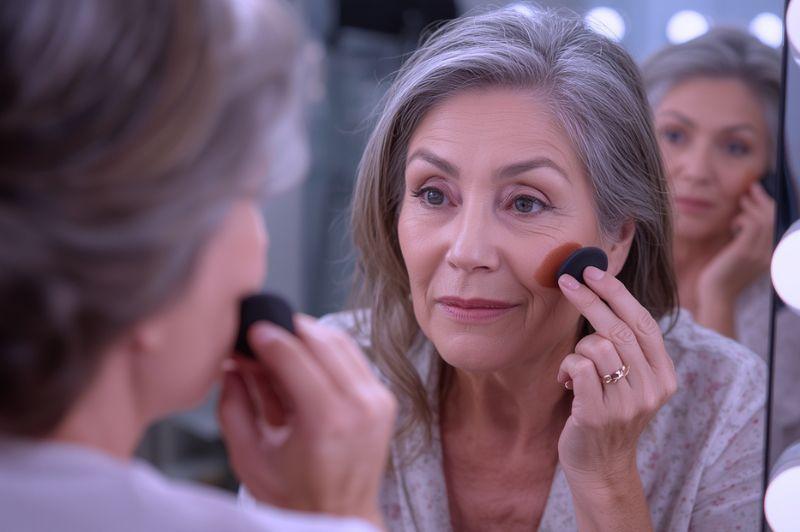
A slightly damp sponge is worth keeping in your kit. The moisture helps the product blend without dragging or pilling, and the bounce-tapping motion gives you a seamless, skin-like finish that’s hard to replicate with a brush. The Real Techniques Miracle Complexion Sponge is one of the most consistently well-reviewed options out there.
Your Fingertips
Warm hands activate cream formulas. A small dot tapped onto the apple of the cheek and blended outward gives a genuinely natural flush that brushes sometimes can’t match. Keep the motion light and tapping, not rubbing.
Fan Brushes for Shearing Out
If you’ve applied too much, a soft fan brush fixes it fast. A few light sweeps diffuse excess pigment and bring the color back to barely-there. It’s one of the most underused tools in most women’s kits.
Cream Blush Application Techniques That Work on Mature Skin
Technique separates a rushed result from a good one. Start with a lightweight moisturizer and let it absorb fully. Cream products grip and blend more smoothly on hydrated skin. If you’re using a primer, skip silicone-heavy formulas, which can cause cream blush to slide.
Apply a small amount to the apples of your cheeks, smile gently to find them, then blend upward toward your temple. Use a tapping motion rather than sweeping. Sweeping moves the product too fast and creates uneven patches. Layer gradually. It’s always easier to build color than remove it.
Once you’re happy with the color, set it with a light press of translucent powder over the area. This locks pigment without dulling the finish. A fine-mist setting spray over your finished look ties everything together. Worth noting: dirty brushes are one of the most common reasons makeup goes sideways, so stiff bristles loaded with old product will fight you at every step.
For more technique ideas, Elise tested six celebrity makeup artist blush techniques on mature skin to find out which ones actually translate to real results.
How To Make Cream Blush Last All Day
Longevity is the most common concern, and it’s fixable. A hydrating, non-silicone primer creates a good base. After applying your blush, give it 30 to 60 seconds to set before layering anything on top. Then press a light translucent powder over the area with a sponge. Pressing, not sweeping. A setting spray as a final step helps everything meld together and stay put through the day.
Choosing the Right Shade for Your Skin Tone
The best shade complements your natural coloring without overwhelming it. For fair to light skin, soft pinks, peachy nudes, and rosy corals tend to look fresh. For medium skin, warm peaches, terracotta, and dusty roses add dimension. For deep skin, rich berries, warm bronzy-pinks, and deep corals show up beautifully.
Finish matters just as much as shade. Satin and natural finishes are the most flattering for mature complexions because they add glow without drawing attention to texture. Elise’s 2025 award-winner roundup includes her picks for cream blush formulas that consistently deliver on this.
The Tools Worth Having in Your Kit
You don’t need to spend a lot. You need to keep them clean and use them with a light hand. A soft synthetic, fluffy cheek brush for blending, a damp beauty sponge for tap-and-blend application, a fan brush for shearing out excess, a translucent setting powder to lock the color, and a fine-mist setting spray for all-day wear. That’s the full kit.
Your Next Radiant Chapter
Here’s the truth about beauty over 50: you’ve already done the work of figuring out what doesn’t work. That’s actually useful. Cream blush is one of those things that tends to click once you find the right combination of formula, shade, and tools. And then you wonder why you waited.
If you want more of this, tested and honest and written for women who know themselves, join the Kuel Life community. There’s a whole group of women comparing notes on exactly this stuff, and they’re not interested in pretending otherwise.
Frequently Asked Questions
What makes cream blush for mature skin better than powder blush?
Cream blush has an emollient texture that blends into skin rather than sitting on top of it. It doesn’t settle into fine lines, which makes it a more flattering, natural-looking option for midlife complexions than most powder formulas.
Which tools work best with cream blush on mature skin?
A soft synthetic, fluffy brush, a slightly damp beauty sponge, and clean fingertips are the top three. Each delivers a slightly different finish: diffused and airy, seamless and skin-like, or a soft natural flush. It depends on the look you’re after.
How do I make cream blush last longer?
Prep with a hydrating, non-silicone primer. Apply blush in light layers, let it set for 30 to 60 seconds, then press a translucent powder over the area. A fine-mist setting spray as a final step adds staying power without dulling the finish.
What are the best blush shades for women over 50?
Warm peaches, soft corals, rosy nudes, and terracotta tones work well across most skin tones. Satin or natural finishes add glow without emphasizing texture, which makes them the most consistently flattering options for mature complexions.
Disclosure: Some links in this article are affiliate links. If you purchase through them, Kuel Life may earn a small commission at no additional cost to you.